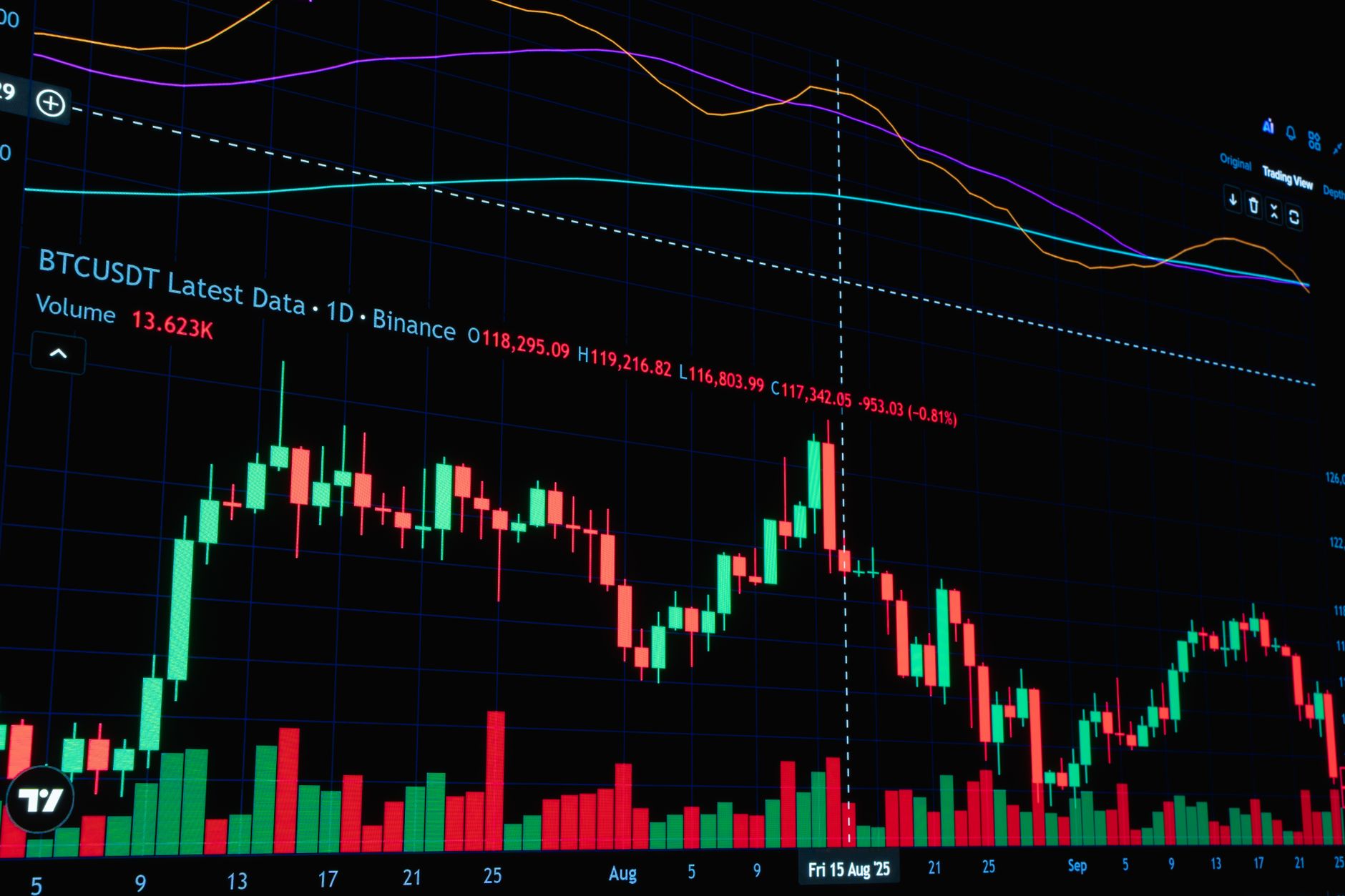
Oil above US$90 and Rising Treasuries: The Warning for the Stock Market
Archive pieces cited in this analysis
Related stories
Market Snapshot at Analysis Time
O petróleo ultrapassou US$ 90, enquanto os Treasuries de 30 anos atingiram 5,316%, maior nível desde 2007. O dólar comercial fechou a R$ 5,2014, com alta de 1,95% nos últimos 7 dias. A Selic permanece em 14,00%, limitando o fluxo para renda variável.
Full Analysis
The ascent of oil to levels above US$90 per barrel, combined with the pressure from 30-year U.S. Treasury yields, which reached 5.316% — their highest level since 2007 —, signals a structural shift in global risk appetite. This movement is not an isolated event but a direct reaction to geopolitical instability between the U.S. and Iran, forcing investors to reprice risk assets in an environment where the opportunity cost of American fixed income becomes an aggressive competitor for capital allocated to growth stocks.
Domestically, this external pressure translates into exchange rate volatility, with the commercial dollar trading at R$ 5.2014, accumulating a 1.95% rise in the last 7 days, although showing a 0.42% drop over a 30-day window. The strength of the dollar, combined with energy commodity prices, places the Brazilian market in a delicate position: while major exporters may benefit from the appreciating barrel, import costs and pressure on domestic inflation could limit the scope for monetary policy maneuvers, keeping the Selic rate at high levels of 14.00% p.a.
Cross-referencing this scenario with our editorial archive, we observe that this is the fifth negative news item with systemic impact in a short period, aligning with a cautious outlook already shaped by institutional statements and political instabilities. Applying the lens of the 'Credit and Mood Cycles' school, we identify that the market is transitioning from a phase of excessive optimism to a moment of necessary correction, where the risk/return asymmetry becomes unfavorable for those who ignore the sovereign bond risk premium in exchange for volatile dividends.
Where the analysis draws on data
Market evidence
Data at analysis time · 17/08/2026
Reference panel: use Selic, IPCA, USD and category quotes only when relevant to the story — with 7d/30d trend.
Selic meta (% a.a.) · core
14.00
As of 17/08/2026
IPCA acumulado 12 meses (%) · core
4.44
As of 01/07/2026
Dólar comercial (R$/US$) · core
5.2014
As of 17/08/2026
Dólar (USD/BRL) · core
R$ 5,20
Chart basis of the analysis
History that supported the reasoning
Dólar comercial (R$/US$) — 30 dias (até 17/08/2026)
Source: BCB
IPCA 12 meses (%) — 30 dias (até 17/08/2026)
Source: BCB
Dólar (USD/BRL) — 30 dias (até 17/08/2026)
Source: BCB
Dólar (USD/BRL) — 90 dias (até 17/08/2026)
Source: BCB
The risk of imported inflation via fuel is the variable that most concerns market analysts now. With the upward trend in the dollar observed last week, any additional shock to global oil supply could trigger a spiral of readjustments that directly impacts the operating margins of companies listed on the Ibovespa. The market's resilience, which we previously discussed in our analyses, is being tested by the rising cost of capital, making asset selectivity a survival strategy, not just a profitability one.
Projecting the next 30, 90, and 180 days, we expect the stock market to continue feeling the weight of the inverse correlation between U.S. yields and technology stock prices. In 30 days, volatility should remain high, with the dollar's support at R$ 5.20 being a crucial factor. In 90 days, the expectation is for the market to begin pricing in the stabilization of geopolitical conflicts or the acceptance of a new normal of high interest rates in the U.S. By 180 days, attention should turn entirely to IPCA indicators, which may come under pressure if oil sustains its new price range.
For the average investor, the practical guidance is clear: focus on the margin of safety. In times of uncertainty, as the value tradition suggests, it is not the time to pursue speculative movements or leverage positions in cyclical sectors that suffer from high interest rates. Capital protection involves maintaining a portion of the portfolio in assets that offer real protection against inflation and reducing exposure to highly indebted companies, prioritizing companies with robust cash flow and capacity.
Urgency
High
Audience
Intermediário
Horizon
Médio prazo
Confidence
Alta
Editorial methodology
Investimentos em ações envolvem risco de mercado. Rentabilidade passada não garante resultados futuros.
Snapshot at publication
Dólar (USD/BRL)
R$ 5,20
24h change: n/d
Values collected at 17/08/2026 20:15
Timeline
-
2007
Último patamar de rendimento dos Treasuries similar ao atual.
Projected scenarios
Manutenção da volatilidade no mercado de ações e dólar testando resistências.
Possível estabilização dos yields americanos se a tensão geopolítica diminuir.
Reflexo da inflação de custos na margem de lucro das empresas listadas.
Analytical lenses
Frameworks inspired by classic investment schools — original editorial paraphrase, no literal quotes.
Ciclos de Humor
O mercado oscila entre otimismo e medo, e agora entramos em um ciclo de reprecificação. É vital identificar que o otimismo passado negligenciou o risco real dos juros americanos.
Valor e Margem de Segurança
Em tempos de alta incerteza, proteger o capital é mais importante que o retorno imediato. Compre ativos com fundamentos sólidos abaixo do seu valor intrínseco para mitigar perdas permanentes.
Guidance by investor profile
Beginner
Priorize títulos pós-fixados e renda fixa atrelada à inflação para proteger o patrimônio.
Intermediate
Mantenha a exposição em ações de empresas pagadoras de dividendos com fluxo de caixa previsível.
Advanced
Busque oportunidades de curto prazo em setores que se beneficiam da alta do dólar e commodities.
Alocação de Ativos em Cenário de Alta Volatilidade
| Renda Fixa | Ações (Cíclicas) | Ações (Defensivas) | |
|---|---|---|---|
| Risco | Baixo | Alto | Médio |
| Retorno esperado | ~14% a.a. | Variável | Inflação+ |
Glossary
- Títulos da dívida pública dos EUA, considerados o ativo mais seguro do mundo.
- Diferença entre o valor intrínseco de um ativo e seu preço de mercado, servindo como proteção contra erros de análise.
Archive context
1231 analyses on Stocks
O tom recente em Ações está mais cauteloso: 581 de 1231 análises com viés negativo. Vale cruzar com as matérias abaixo.
Go deeper — related reading
O recorde de 'beta negativo' no S&P 500: Por que a diversificação tradicional falhou
O mercado financeiro global atravessa um momento de descorrelação atípica, onde o número de ativos no S&P 500 operando com 'beta…
Discurso sobre reestatização de refinarias tensiona percepção de risco no setor de óleo e gás
A sinalização do governo federal sobre a possível recompra de ativos privatizados no setor de refino injeta uma nova camada de incerteza…
A proposta de teto para gastos públicos e o desafio da solvência fiscal no Brasil
A proposta de limitar despesas públicas a uma faixa entre 40% e 50% do crescimento do PIB, somado à inflação, coloca no centro do debate…
XP atinge R$ 2,2 trilhões sob custódia: O que o lucro de R$ 1,38 bi revela sobre o setor
A XP Inc. consolidou seu domínio no mercado financeiro ao reportar um lucro líquido ajustado de R$ 1,384 bilhão no segundo trimestre de…
Archive sentiment
Dominant tone: Negative
Explore by theme
Related themes
Practical guide
Impact on Your Wallet
What changes in your portfolio and daily life
O aumento do petróleo pressiona o custo dos combustíveis, elevando a inflação e o custo de vida das famílias. Investidores devem esperar maior volatilidade nas ações, o que exige cautela na alocação de capital. A alta do dólar torna produtos importados mais caros, reduzindo o poder de compra real.
Frequently asked questions
Por que o petróleo alto afeta minhas ações?
O petróleo é um insumo básico. Seu custo elevado aumenta despesas de transporte e produção, reduzindo lucros das empresas.
Devo vender tudo e sair da bolsa?
Não necessariamente. A venda por pânico costuma concretizar prejuízos. O ideal é rebalancear a carteira.