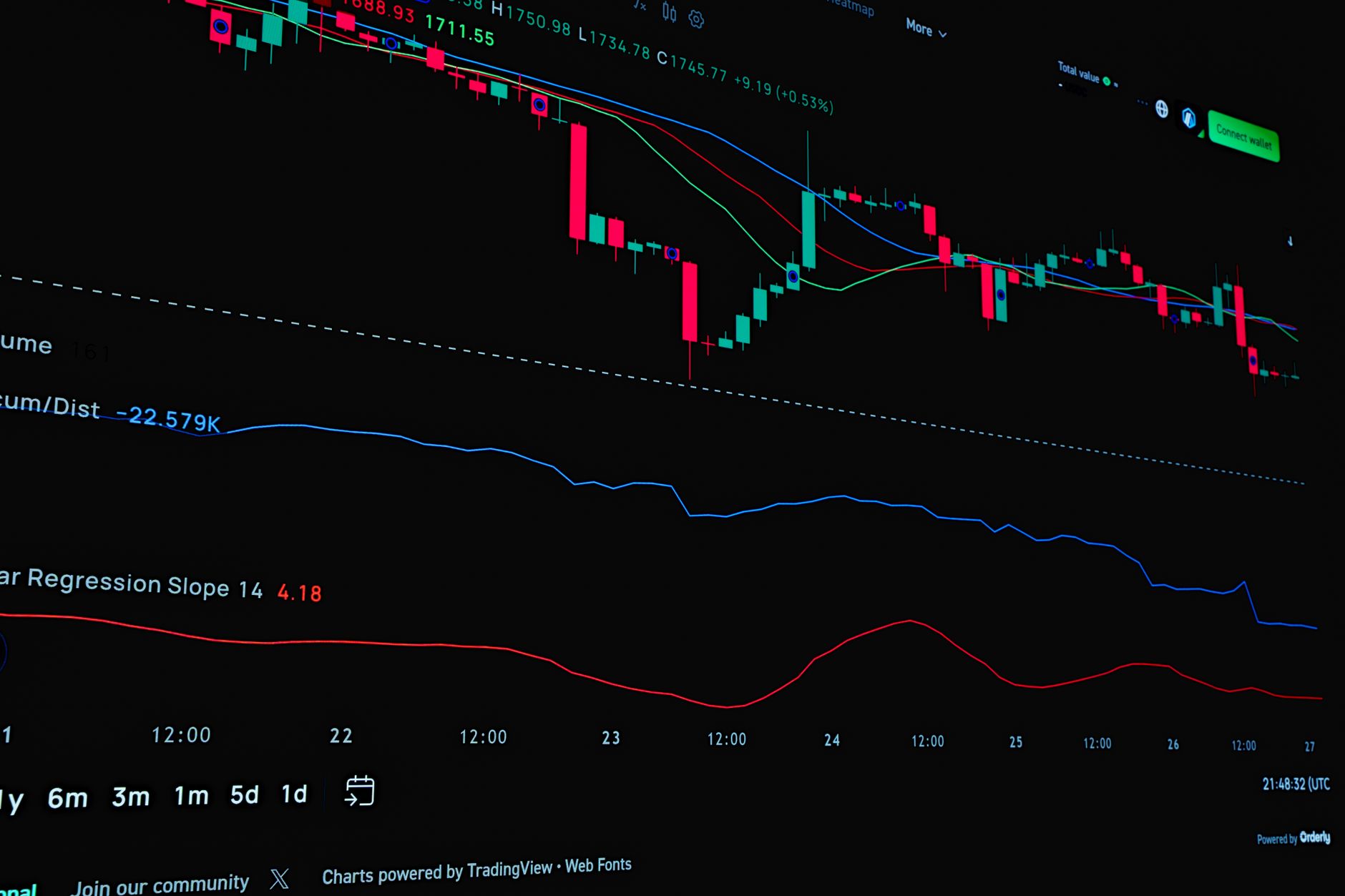
Strategy Sells $333M in Stock, Sparking Alarm in the Crypto Market
Market Snapshot at Analysis Time
O cenário econômico recente é marcado pelo dólar comercial cotado a R$ 5,2236 com alta de 2,12% em 7 dias, pela taxa Selic inalterada em 14,00% ao ano e pelo IPCA acumulado em 12 meses em 4,44%, com variação recente de 4,23% em 7 dias. Na frente acionária, a Strategy movimentou US$ 333,7 milhões em ações MSTR, refletindo um momento de alta aversão ao risco institucional.
Full Analysis
Strategy's recent sale of 3,458,866 MSTR shares, totaling approximately $333.7 million between August 10 and 16, without any new Bitcoin acquisitions during the period, marks a critical turning point in corporate treasury dynamics tied to digital assets. This move occurs amid intense pressure on the global stock market, where the Brazilian commercial dollar is trading at R$ 5.2236, up 2.12% over a 7-day period compared to R$ 5.115 on August 5, demonstrating increasingly restricted risk appetite among institutional investors. To understand the gravity of this moment, this event must be cross-referenced with current macroeconomic behavior, including the 12-month accumulated IPCA at 4.44% — showing a 7-day trend fluctuation rising to 4.23% compared to the previous 4.26%, but retreating from 4.31% over a 30-day window — and the Selic rate maintained at 14.00% per year, a stagnant level that increases the opportunity cost of global capital. This risk-aversion scenario connects directly with Clareza Capital's editorial archive, reflecting the fifth strictly negative sentiment note in the Equities section this week, as recently seen in the challenges faced by Eneva and Banco do Brasil under high interest rates. Applying the logic of value tradition and margin of safety, one realizes that aggressive corporate allocation in highly volatile assets without proper operational cash flow backing creates a dangerous asymmetry, where the stock price completely decouples from the intrinsic value of the underlying assets held by the company. Investors focused on capital preservation should note that the real possibility of Strategy's exclusion from the MSCI index imposes forced selling by passive funds, generating a technical imbalance independent of the long-term fundamentals of the crypto market. Deepening the analysis of causes and risks, the abrupt halt in bitcoin purchases combined with the issuance and dumping of shares raises legitimate doubts about the sustainability of the capital-markets-leveraged treasury model. With the dollar showing a 0.73% increase over the 30-day window (moving from R$ 5.186 on August 13 to the current level of R$ 5.22), external financing costs rise, penalizing companies that depend on constant liquidity injections to maintain their speculative bets. Every technical statement described here is supported by the concrete fact that exchange rates and the retraction of 3.4 million traded shares highlight a liquidity flight that directly affects the mood of emerging and global markets. Looking at time horizons, over the next 30 days the market's focus will be on the confirmation or denial of Strategy's departure from the MSCI index, which is expected to cause acute volatility in stock prices and test the support of major institutional players. Over a 90-day horizon, the impact of this corporate divestment could redefine valuation multiples for companies with direct exposure to crypto assets, forcing a generalized repricing amid a Selic rate fixed at 14.00% that continues to attract flows to traditional fixed income. Looking ahead 180 days, the global macroeconomic scenario will reveal whether the pause in bitcoin purchases was a targeted tactical balance sheet restructuring move or the beginning of a prolonged cycle.
Where the analysis draws on data
Market evidence
Data at analysis time · 17/08/2026
Reference panel: use Selic, IPCA, USD and category quotes only when relevant to the story — with 7d/30d trend.
Selic meta (% a.a.) · core
14.00
As of 17/08/2026
IPCA acumulado 12 meses (%) · core
4.44
As of 01/07/2026
Dólar comercial (R$/US$) · core
5.2236
As of 14/08/2026
Dólar (USD/BRL) · core
R$ 5,22
Chart basis of the analysis
History that supported the reasoning
IPCA 12 meses (%) — 30 dias (até 17/08/2026)
Source: BCB
Selic meta (% a.a.) — 30 dias (até 17/08/2026)
Source: BCB
Dólar (USD/BRL) — 30 dias (até 17/08/2026)
Source: BCB
Dólar (USD/BRL) — 90 dias (até 17/08/2026)
Source: BCB
Urgency
Medium
Audience
Intermediário
Horizon
Médio prazo
Confidence
Alta
Editorial methodology
Investimentos em ações envolvem risco de mercado. Rentabilidade passada não garante resultados futuros.
Snapshot at publication
Dólar (USD/BRL)
R$ 5,22
24h change: n/d
Values collected at 17/08/2026 13:15
Timeline
-
10 a 16 de agosto
Período em que a Strategy realizou a venda de 3,45 milhões de ações sem novas compras de bitcoin.
-
17 de agosto
Envio de documento oficial à SEC detalhando a operação bilionária de desinvestimento.
Projected scenarios
Confirmação ou reversão da exclusão do índice MSCI, provocando volatilidade intensa nas ações MSTR.
Reprecificação de companhias com tesourarias fortemente alavancadas em cripto diante de juros globais elevados.
Definição estrutural sobre a sustentabilidade do modelo corporativo de acumulação de ativos digitais via emissão de ações.
Analytical lenses
Frameworks inspired by classic investment schools — original editorial paraphrase, no literal quotes.
Valor e margem de segurança
A alocação corporativa agressiva em ativos voláteis sem fluxo de caixa operacional cria risco severo de perda permanente de capital. O investidor deve exigir descontos reais sobre o valor patrimonial antes de assumir riscos associados a reestruturações de tesouraria.
Risco assimétrico e ciclos de humor
A euforia anterior com tesourarias corporativas de criptoativos deu lugar a uma fase de desalavancagem forçada e possível exclusão de índices globais. O mercado agora precifica pessimismo técnico, exigindo cautela contra armadilhas de valor.
Guidance by investor profile
Beginner
Mantenha o foco integral em ativos de renda fixa pós-fixados indexados à taxa Selic de 14%, evitando qualquer exposição direta a ações correlacionadas a criptoativos.
Intermediate
Proteja seu portfólio priorizando títulos seguros e limite qualquer alocação em renda variável ou criptoativos a uma parcela mínima e irrelevante do patrimônio.
Advanced
Monitore os desequilíbrios técnicos gerados por possíveis saídas de índices globais, mas evite alavancagem excessiva diante do atual ciclo de aversão ao risco.
Comparativo de Alques e Riscos neste Cenário
| Renda Fixa Pós-Fixada | Ações Tradicionais (Brasil) | Tesouraria Cripto/Tech | |
|---|---|---|---|
| Risco | Baixo | Médio-Alto | Alto |
| Retorno esperado | ~14% a.a. (Selic) | Variável (Setorial) | Altamente Volátil |
Glossary
- MSCI
- Provedor global de índices de ações seguido por fundos de investimento do mundo todo para compor suas carteiras.
- Tesouraria Corporativa
- Gestão dos recursos financeiros e do caixa de uma empresa, incluindo investimentos em ativos de reserva de valor.
Archive context
1179 analyses on Stocks
O tom recente em Ações está mais cauteloso: 541 de 1179 análises com viés negativo. Vale cruzar com as matérias abaixo.
Go deeper — related reading
Renda fixa a 14% engana? O perigo do dólar corroendo seus ganhos na Bolsa
A ilusão de segurança proporcionada por investimentos atrelados a taxas de dois dígitos esconde uma armadilha cambial silenciosa que…
Demanda por inteligência artificial triplica no Brasil e exige qualificação corporativa
A participação das vagas de emprego que exigem competências em inteligência artificial saltou para 3,6% do total de anúncios no país,…
ONCO3 dispara 15% após prejuízo bilionário: otimismo ou armadilha na Bolsa?
As ações da Oncoclinicas negociadas sob o ticker ONCO3 registraram uma impressionante valorização superior a 15% durante a sessão desta…
O efeito-riqueza da Bolsa sustenta o consumo e desafia previsões de recessão
A valorização contínua das ações nas bolsas internacionais tem exercido um papel determinante na economia real, sustentando os gastos…
Archive sentiment
Dominant tone: Negative
Explore by theme
Related themes
Practical guide
Impact on Your Wallet
What changes in your portfolio and daily life
A volatilidade internacional e a alta do dólar encarecem produtos importados e pressionam o custo de vida no Brasil. Nos investimentos, o cenário exige cautela redobrada na renda variável, enquanto a renda fixa continua oferecendo proteção atrativa.
Frequently asked questions
Por que a venda de ações pela Strategy importa para quem investe no Brasil?
Porque sinaliza uma mudança global no apetite ao risco dos grandes investidores institucionais, o que costuma respingar nos mercados emergentes e na cotação de ativos de risco.
O que significa ser excluído de um índice como o MSCI?
Significa que fundos de investimentos globais que replicam esse índice serão obrigados a vender as Ações da empresa, gerando forte pressão vendedora nos papéis.
Como o investidor iniciante deve reagir a notícias de criptoativos e grandes empresas?
Mantendo a disciplina financeira, priorizando a reserva de emergência e evitando seguir modismos especulativos sem entender os riscos de volatilidade.