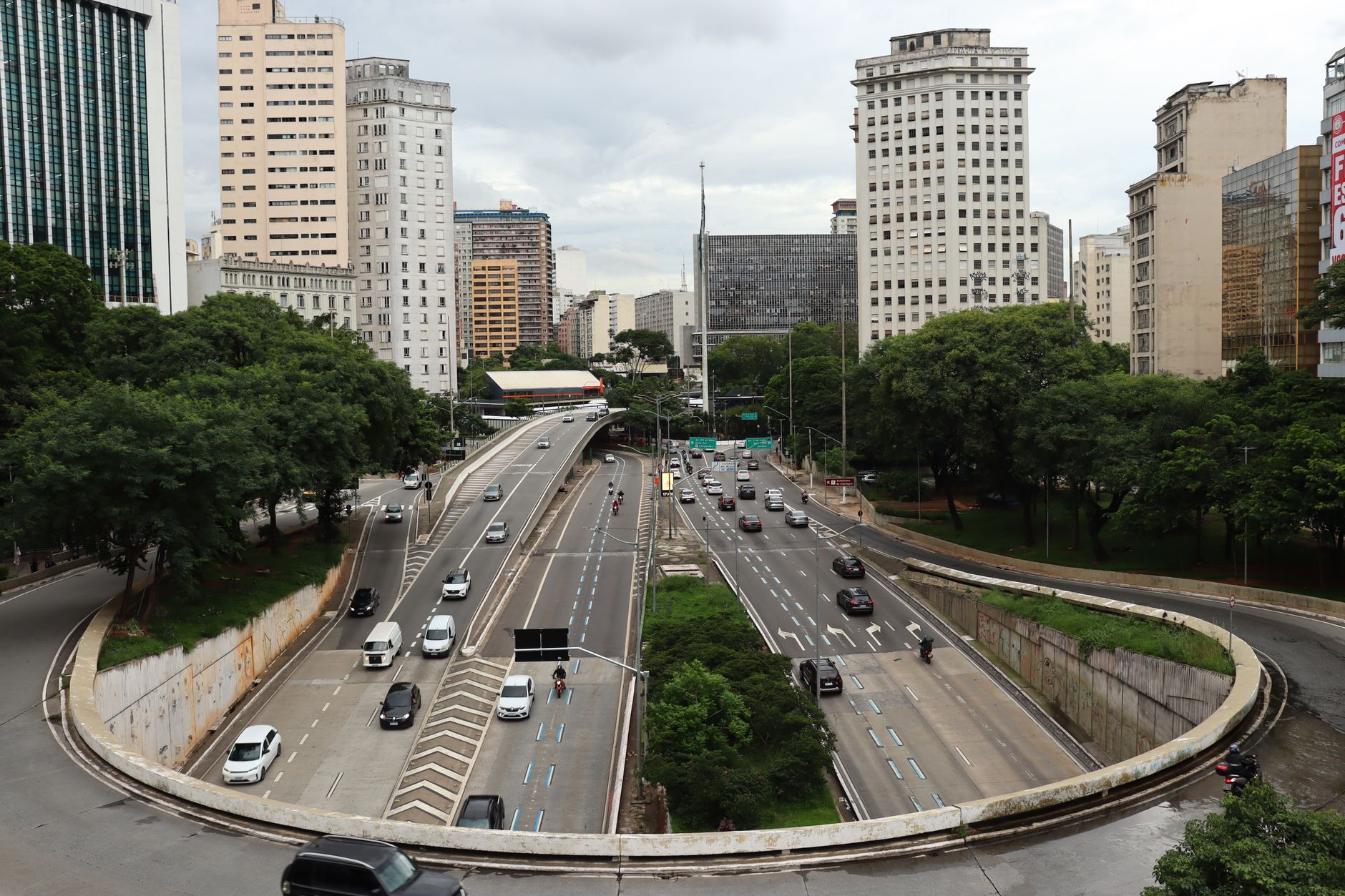
Marabraz files for bankruptcy protection with R$ 140 million in debt
Archive pieces cited in this analysis
Related stories
Market Snapshot at Analysis Time
O pedido de recuperação judicial da Marabraz ocorre em um ambiente macroeconômico desafiador, marcado pela taxa Selic em 14,00% ao ano, que encarece severamente o crédito corporativo. Paralelamente, o IPCA acumulado em 12 meses registra 4,44% com tendência de 4,23% em 7 dias, enquanto o dólar comercial cotado a R$ 5,2236 acumula alta de 2,12% na semana, pressionando os custos de importação e as margens do varejo.
Full Analysis
The formalization of the bankruptcy protection filing by Lojas Marabraz, accumulating estimated liabilities of R$ 140 million, exposes the deep structural vulnerabilities of the physical furniture and appliance retail sector in the state of São Paulo. This insolvency does not represent an isolated event, but rather the critical unfolding of a prolonged cycle of financial tightening affecting durable consumption, severely impacting the supply chain and logistical partners of the traditional brand founded in 1950. While the commercial exchange rate fluctuates around R$ 5.2236 — recording a 2.12% increase over a seven-day period compared to the R$ 5.115 rate and a 0.73% advance from the R$ 5.186 level observed thirty days ago —, the costs of importing inputs and raw materials relentlessly pressure the operating margins of retail chains that depend on intensive working capital.
This corporate stress scenario becomes even more complex when analyzed through the prism of the 12-month accumulated IPCA, which stands at 4.44%, presenting a recent convergence trajectory with a 4.23% variation over seven days compared to the previous 4.26% index, and a decline from the 4.64% level recorded thirty days ago. Although official inflation shows signs of accommodation in the aggregate, specific inflation for durable goods and the restriction on corporate credit impose insurmountable barriers for companies with high financial leverage. Monetary rigidity, evidenced by the Selic rate maintained at restrictive levels of 14.00% per year, dramatically increases the cost of any attempt to roll over bank debts, suffocating the operational cash flow of companies operating with narrow margins.
Where the analysis draws on data
Market evidence
Data at analysis time · 16/08/2026
Reference panel: use Selic, IPCA, USD and category quotes only when relevant to the story — with 7d/30d trend.
Selic meta (% a.a.) · core
14.00
As of 16/08/2026
IPCA acumulado 12 meses (%) · core
4.44
As of 01/07/2026
Dólar comercial (R$/US$) · core
5.2236
As of 14/08/2026
Dólar (USD/BRL) · core
R$ 5,22
Chart basis of the analysis
History that supported the reasoning
IPCA 12 meses (%) — 30 dias (até 16/08/2026)
Source: BCB
Dólar comercial (R$/US$) — 30 dias (até 16/08/2026)
Source: BCB
Selic meta (% a.a.) — 30 dias (até 16/08/2026)
Source: BCB
Dólar (USD/BRL) — 30 dias (até 16/08/2026)
Source: BCB
Crossing this event with the portal's editorial archives, it is noted that this is the second occurrence of severe negative impact on corporate litigation and solvency risks monitored this week, echoing the climate of caution already identified in the article on risk in the sights of corporate investors. Under the analytical lens of structural macroeconomics focused on credit and liquidity cycles, traditional retail in São Paulo is going through the terminal phase of forced deleveraging, where systemic liquidity scarcity severely punishes business models incapable of generating organic free cash. The contraction of corporate bank credit, combined with the retraction in lenders' risk appetite, accelerates the mortality of historical brands that failed to adapt their cost structures to the new reality of high real interest rates.
The collapse of the retail chain exposes the risks inherent in concentrating working capital in heavy physical structures and low-turnover inventories during moments of household consumption contraction. Each percentage point rise in the exchange rate and the rigidity of the 14.00% basic interest rate act as catalysts for bankruptcies at the most vulnerable end of retail commerce, transforming operational liabilities into complex judicial impasses. Mid-sized suppliers, which often concentrate a large part of their revenues on sales to companies in bankruptcy protection, now face the risk of chain default, which can trigger a wave of forced renegotiations throughout the furniture and appliance ecosystem.
For the next thirty to ninety days, an even greater tightening of credit lines for the retail sector is projected, with commercial banks demanding more robust real guarantees and raising their fees...
Urgency
High
Audience
Geral
Horizon
Médio prazo
Confidence
Alta
Editorial methodology
Análises macroeconômicas são interpretações editoriais baseadas em dados públicos disponíveis.
Snapshot at publication
Dólar (USD/BRL)
R$ 5,22
24h change: n/d
Values collected at 16/08/2026 20:30
Timeline
-
1950
Fundação das Lojas Marabraz por família libanesa no Estado de São Paulo.
-
Agosto de 2026
Protocolo formal do pedido de recuperação judicial com dívida de R$ 140 milhões.
Projected scenarios
Bloqueio temporário de execuções judiciais e início de atritos com fornecedores essenciais de móveis e eletrodomésticos.
Apresentação formal do plano detalhado de reestruturação de dívidas e possível fechamento de filiais deficitárias.
Consolidação de ativos do setor varejista e venda de pontos comerciais para concorrentes capitalizados.
Analytical lenses
Frameworks inspired by classic investment schools — original editorial paraphrase, no literal quotes.
Tradição do Valor
A análise evidencia que a busca por retorno sem rigor na avaliação da alavancagem e da margem de segurança expõe investidores e credores a riscos catastróficos de perda permanente de capital em empresas fragilizadas.
Macro Estrutural
O evento reflete o estágio final de um ciclo de aperto de crédito e alta liquidez restritiva, onde o custo do dinheiro a 14% ao ano expurga os modelos de negócio ineficientes do mercado.
Guidance by investor profile
Beginner
Evite qualquer exposição a títulos de crédito privado emitidos por redes varejistas e mantenha recursos em renda fixa pós-fixada de liquidez diária.
Intermediate
Reduza posições em ações ou debêntures ligadas ao consumo discricionário e ao varejo físico altamente alavancado.
Advanced
Monitore oportunidades de distressed assets apenas em fundos especializados, mantendo rigor na análise de garantias reais e fluxo de caixa.
Perfil de Risco no Varejo e Renda Fixa
| Crédito Privado Varejo | Renda Fixa Pós-fixada | Tesouro IPCA+ | |
|---|---|---|---|
| Risco | Alto | Baixo | Baixo a Médio |
| Retorno esperado | Variável / Incerto | ~14% a.a. (Selic) | IPCA + ~6% a.a. |
Glossary
- Recuperação Judicial
- Processo legal que suspende cobranças de dívidas para permitir que uma empresa em crise renegocie com seus credores.
- Alavancagem Financeira
- Grau de endividamento que uma empresa utiliza para financiar suas operações e investimentos.
Archive context
4784 analyses on Economy
O tom recente em Economia está mais cauteloso: 2384 de 4784 análises com viés negativo. Vale cruzar com as matérias abaixo.
Go deeper — related reading
Pressão dos EUA sobre o Irã acende alerta nos mercados globais
A escalada das sanções econômicas impostas pelos Estados Unidos aos setores marítimo e energético do Irã redefine o tabuleiro…
Marvel na D23 2026: impacto financeiro das franquias na economia criativa
A recente divulgação de calendários e produções de grande apelo popular durante a convenção D23 2026 demonstra a resiliência financeira…
Sanções dos EUA contra Moraes elevam prêmio de risco no câmbio
A discussão internacional sobre novas sanções econômicas e diplomáticas contra autoridades do judiciário brasileiro recoloca o risco…
Segurança eleitoral e o clima de negócios: os custos da instabilidade
A utilização de coletes à prova de balas por candidatos em plena corrida presidencial expõe de forma dramática a deterioração do…
Archive sentiment
Dominant tone: Negative
Explore by theme
Related themes
Practical guide
Impact on Your Wallet
What changes in your portfolio and daily life
O colapso de grandes redes varejistas restringe ainda mais o acesso ao credor e encarece o financiamento de eletromóveis para o consumidor final. Na poupança e nos investimentos, o cenário reforça a necessidade de evitar crédito privado de risco e focar em ativos de alta liquidez. No custo de vida, a alta do dólar a R$ 5,22 pressiona os preços de eletrônicos e móveis importados, exigindo rigor no orçamento familiar.
Frequently asked questions
O que significa o pedido de recuperação judicial para o cliente que comprou móveis?
Significa que a empresa entra em reestruturação sob supervisão da Justiça. Clientes com entregas pendentes ou produtos na garantia podem enfrentar atrasos e devem buscar atendimento imediato nos canais oficiais.
Como a taxa Selic em 14% afeta empresas como a Marabraz?
Juros elevados encarecem drasticamente o financiamento de estoques e a rolagem de dívidas bancárias anteriores, consumindo o caixa operacional necessário para manter o negócio funcionando.
Investidores comuns correm risco com essa recuperação judicial?
Apenas aqueles que investiram diretamente em debêntures ou títulos de dívida emitidos por essa rede específica. Ações e títulos públicos do governo não sofrem impacto direto.