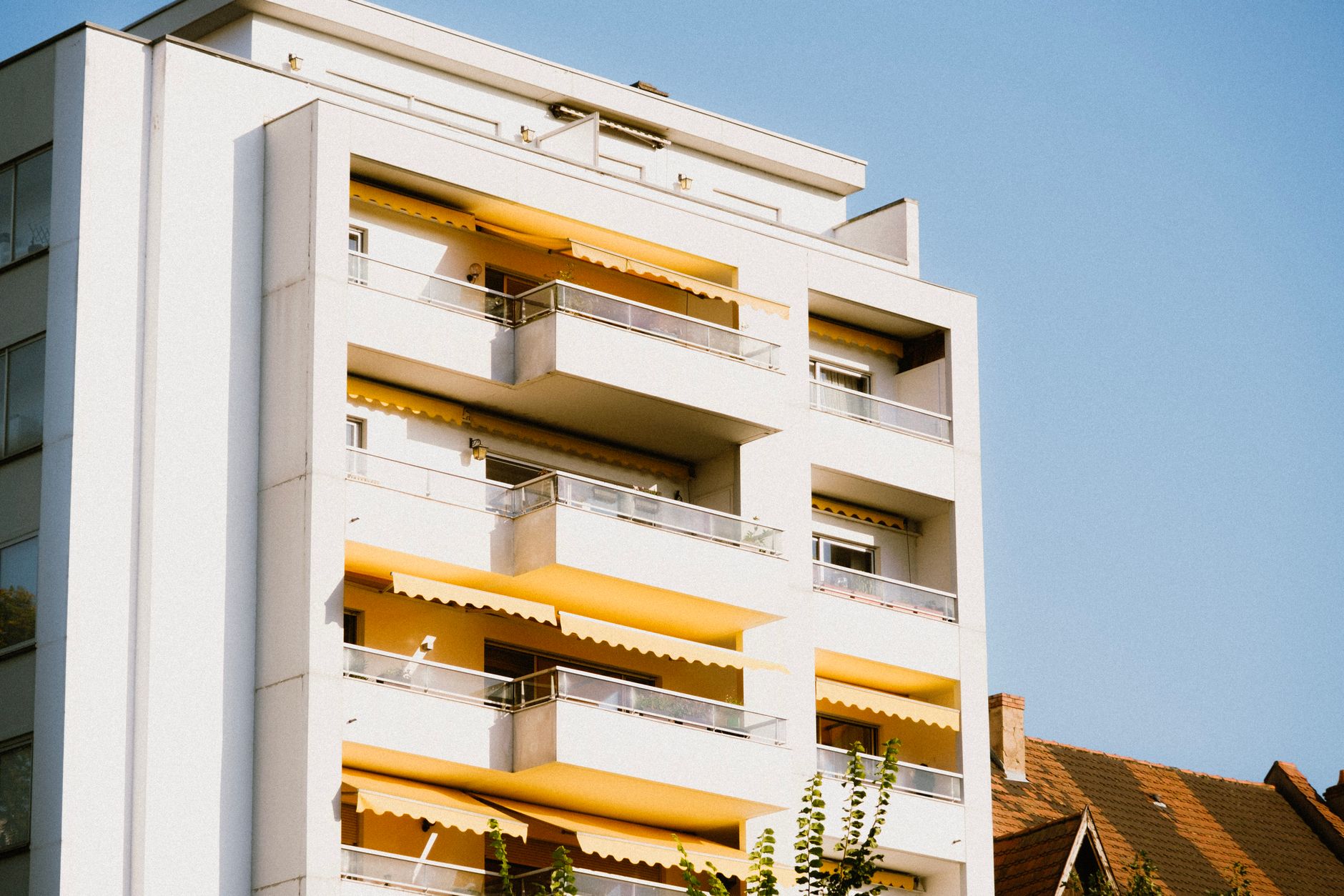
Structural Collapse in São Bernardo Exposes Urban Vulnerabilities and Costs
Archive pieces cited in this analysis
Related stories
Market Snapshot at Analysis Time
O cenário econômico é marcado pelo IPCA acumulado de 4,44% em 12 meses e pelo dólar comercial cotado a R$ 5,2236, registrando alta de 2,12% no intervalo de 7 dias. Essa conjuntura pressiona o custo dos insumos da construção civil e eleva os riscos de perdas patrimoniais não asseguradas. O acervo do portal reforça a tendência de cautela com cinco publicações recentes de sentimento negativo sobre custos e infraestrutura.
Full Analysis
The collapse of a residential building in São Bernardo do Campo, which left four people buried in Greater São Paulo, highlights the hidden cost of real estate deregulation and precarious urban infrastructure. In a scenario where the 12-month accumulated IPCA reaches 4.44% (with recent fluctuations of +4.23% in the 7-day variation and a 4.31% retraction in 30 days), the impact of local tragedies reverberates directly on housing costs and insurance chains. This episode marks the sixth negative-bias publication in our recent archive, adding to alerts on global insurance costs and logistical pressures, which demands careful reading regarding the preservation of real estate assets.
Current macroeconomic dynamics show the commercial dollar quoted at R$ 5.2236, registering a 2.12% increase over the 7-day horizon and a +0.73% variation in 30 days, which directly pressures the rising costs of construction materials and basic inputs tied to imported Commodities. Exchange rate volatility, combined with official inflation, erodes the investment capacity of middle-class families in maintaining and regularizing their housing, raising the systemic risk of old or poorly maintained structures.
Crossing this event with our editorial archive, we observe a sequence of five negative-sentiment news stories that converge on a critical point: the vulnerability of physical assets and global and local production chains. From the lens of value tradition, the price of an urban property may seem attractive in the short term, but the absence of a margin of safety—in terms of technical inspections, adequate insurance, and legal compliance—turns a supposed income-generating asset or housing into a catastrophic liability of permanent capital loss.
Where the analysis draws on data
Market evidence
Data at analysis time · 15/08/2026
Reference panel: use Selic, IPCA, USD and category quotes only when relevant to the story — with 7d/30d trend.
Selic meta (% a.a.) · core
14.00
As of 15/08/2026
IPCA acumulado 12 meses (%) · core
4.44
As of 01/07/2026
Dólar comercial (R$/US$) · core
5.2236
As of 14/08/2026
Dólar (USD/BRL) · core
R$ 5,22
Chart basis of the analysis
History that supported the reasoning
Dólar comercial (R$/US$) — 30 dias (até 15/08/2026)
Source: BCB
IPCA 12 meses (%) — 30 dias (até 15/08/2026)
Source: BCB
Selic meta (% a.a.) — 30 dias (até 15/08/2026)
Source: BCB
Dólar (USD/BRL) — 30 dias (até 15/08/2026)
Source: BCB
From a practical and structural point of view, the collapse frequently stems from negligence in preventive maintenance cycles, a reflection of the liquidity squeeze affecting both owners and informal builders. When capital becomes scarce, spending cuts on structural inspections and quality materials become common, exponentially raising the probability of catastrophic failures in densely populated urban centers.
For the next 30 to 180 days, a tightening of municipal inspection requirements is projected, which could increase the cost of property regularization by up to 15% in the metropolitan region of São Paulo, affecting the rental and resale market. The trend is for residential insurance policies to undergo adjustments based on the risk of urban claims, penalizing owners who do not have updated engineering reports.
To protect your family wealth, adopt immediate practical measures: contract or review residential insurance policies with broad coverage for structural damage, demand technical inspection reports signed by qualified engineers before any real estate transaction, and maintain an untouchable emergency reserve for housing contingencies. From the perspective of credit cycles, capital preservation precedes the search for profitability; therefore, avoid allocating resources to properties with irregular documentation or visible signs of structural wear, ensuring that your home is a safe harbor and not a vector of financial risk.
Urgency
Medium
Audience
Geral
Horizon
Médio prazo
Confidence
Alta
Editorial methodology
O mercado imobiliário tem liquidez reduzida. Custos de transação e manutenção devem ser considerados.
Snapshot at publication
Dólar (USD/BRL)
R$ 5,22
24h change: n/d
Values collected at 15/08/2026 20:30
Timeline
-
15/08/2026
Desabamento de prédio residencial em São Bernardo do Campo gera quatro feridos e acende alerta urbano.
-
Julho/2026
IPCA acumulado atinge 4,44%, refletindo pressões inflacionárias sobre os custos de vida.
Projected scenarios
Intensificação de vistorias da Defesa Civil em edifícios residenciais antigos na Grande São Paulo.
Reajuste médio de 8% a 12% nos prêmios de seguros residenciais com cobertura estrutural.
Aumento das exigências legais para regularização de reformas urbanas e emissão de laudos de engenharia.
Analytical lenses
Frameworks inspired by classic investment schools — original editorial paraphrase, no literal quotes.
Macro estrutural (Ray Dalio)
O evento reflete as pressões de ciclos de liquidez apertada, onde a escassez de recursos comprime a manutenção preventiva de infraestruturas urbanas, gerando riscos sistêmicos.
Tradição Graham/Buffett
A busca por economia em moradias sem due diligence estrutural elimina a margem de segurança, transformando um suposto ativo em um passivo de perda total de capital.
Guidance by investor profile
Beginner
Evite comprar ou alugar imóveis antigos sem laudo estrutural atualizado; priorize fundos imobiliários com portfólios novos e diversificados.
Intermediate
Revise apólices de seguro de seus bens imóveis e verifique se as coberturas cobrem falhas estruturais e danos a terceiros.
Advanced
Monitore oportunidades de distressed assets (imóveis abaixo do valor de mercado), mas restrinja operações a ativos com due diligence técnica impecável.
Proteção Patrimonial Imobiliária neste Cenário
| Imóvel Irregular | Imóvel Regular Sem Seguro | Imóvel Regular Asegurado | |
|---|---|---|---|
| Risco de Perda Total | Alto | Médio | Baixo |
| Custo de Manutenção | Variável/Oculto | Moderado | Previsível |
Glossary
- Margem de Segurança
- Conceito de investimento que consiste em comprar um ativo abaixo de seu valor intrínseco ou proteger-se contra perdas catastróficas imprevistas.
- IPCA
- Índice de Preços ao Consumidor Amplo, considerado a inflação oficial do Brasil, medido pelo IBGE.
Archive context
70 analyses on Real Estate
O histórico em Imóveis está equilibrado/neutro (35 neutras de 70). Use as matérias relacionadas para ver o que mudou entre as publicações.
Go deeper — related reading
Proteção de pubs no Reino Unido: Quando a regulação ignora o valor de mercado real
A recente decisão do governo britânico de impor restrições severas à conversão de pubs em espaços residenciais ou comerciais coloca em…
Tokenização imobiliária: o salto de R$ 20 bi para a fronteira dos R$ 320 bi até 2030
A tokenização imobiliária no Brasil deixou de ser uma promessa de nicho para se tornar uma engrenagem vital do mercado de capitais,…
O mapa do aluguel: por que a localização dita o custo de vida além da inflação
A disparidade no custo de moradia entre polos de desenvolvimento como Barueri e bairros nobres como o Leblon não é apenas uma…
Novo empreendimento imobiliário na Vila Madalena movimenta R$ 217 milhões
O lançamento do complexo Madart na Vila Madalena, fruto da parceria entre a MPD Engenharia e a STAN Desenvolvimento Imobiliário, injeta…
Archive sentiment
Dominant tone: Neutral
Explore by theme
Related themes
Practical guide
Impact on Your Wallet
What changes in your portfolio and daily life
O encarecimento dos materiais de construção e a revisão de apólices de seguro residencial encarecem a manutenção do patrimônio familiar. Investidores imobiliários enfrentarão maior rigor na fiscalização e exigência de laudos técnicos, impactando a rentabilidade de locações.
Frequently asked questions
Como tragédias em edifícios afetam o mercado imobiliário?
Elas elevam a exigência por laudos técnicos, encarecem seguros e podem desvalorizar Imóveis antigos que não comprovem manutenção adequada.
O que o dólar alto tem a ver com manutenção de imóveis?
O Dólar comercial cotado a R$ 5,22 pressiona o preço de insumos importados e Commodities usadas na construção civil, encarecendo reformas.
Como proteger meu patrimônio imobiliário contra riscos estruturais?
Contrate um seguro residencial abrangente, realize manutenções preventivas periódicas e exija laudos de engenharia antes de adquirir qualquer imóvel.