Brazilian Stock Exchange Plunges R$ 279 Billion: Does the Moment Demand Caution or Opportunity?
Archive pieces cited in this analysis
Related stories
Market Snapshot at Analysis Time
A taxa Selic permanece estacionada em 14,00% ao ano, pressionando o custo de capital e atraindo fluxos para a renda fixa. O IPCA acumulado em 12 meses recuou para 4,44%, enquanto o dólar comercial encerrou cotado a R$ 5,1859, acumulando alta semanal de 1,58%.
Full Analysis
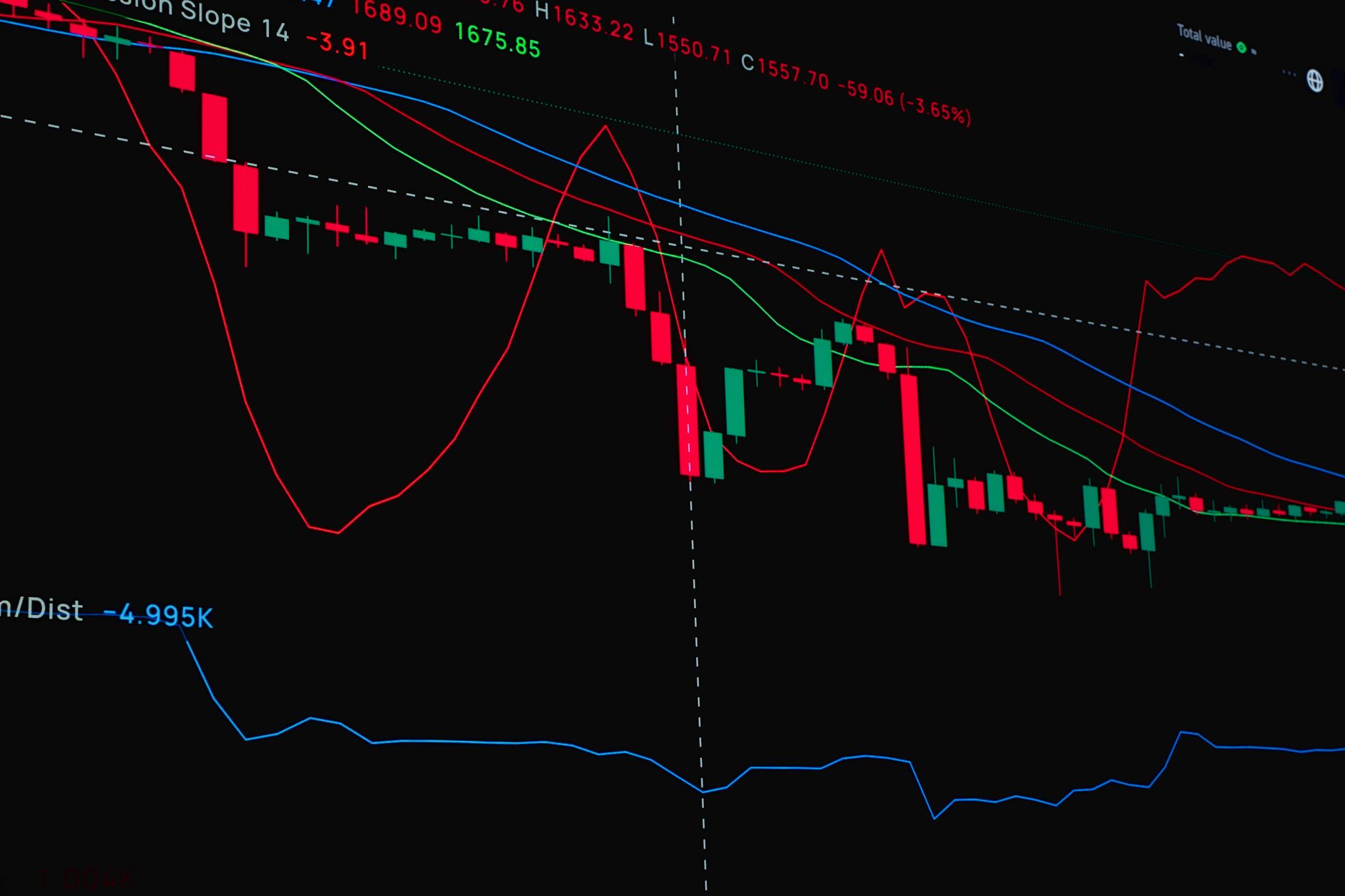
The Brazilian stock market recently accumulated a brutal loss of R$ 279 billion in market value—equivalent to the disappearance of a giant the size of Vale in just seven of the last eight trading sessions—bringing the Ibovespa to its lowest level since January 20. This drastic downward movement puts investors at a classic crossroads between widespread panic and the search for discounted assets. While the stock market suffers from heavy selling pressure, the domestic macroeconomic scenario remains constrained by a Selic interest rate parked at a contractionary level of 14.00% per year, with no recent variations in the 7-day or 30-day margins. This rigidity in the benchmark interest rate chosen by the Central Bank stifles risk appetite and increases the cost of capital for listed companies.
To gauge the severity of this moment, it is imperative to look beyond the basic interest rate indicator and examine the inflationary and exchange rate pressure that erodes purchasing power and corporate margins. The 12-month accumulated IPCA stands at 4.44%, showing a downward trajectory compared to the 4.31% observed 30 days ago, but still keeping the cost of living at challenging levels for families and domestic consumption. Simultaneously, the commercial dollar closed at R$ 5.1859, accumulating a 1.58% rise in the 7-day window, when it traded around the R$ 5.105 range, although showing relative stability with a +0.43% variation in the 30-day comparison. This exchange rate volatility combined with inflation creates an environment of extreme selectivity for variable income assets, penalizing indebted companies and favoring those with revenues tied to foreign markets.
Where the analysis draws on data
Market evidence
Data at analysis time · 14/08/2026
Reference panel: use Selic, IPCA, USD and category quotes only when relevant to the story — with 7d/30d trend.
Selic meta (% a.a.) · core
14.00
As of 14/08/2026
IPCA acumulado 12 meses (%) · core
4.44
As of 01/07/2026
Dólar comercial (R$/US$) · core
5.1859
As of 13/08/2026
Dólar (USD/BRL) · core
R$ 5,19
Chart basis of the analysis
History that supported the reasoning
Selic meta (% a.a.) — 30 dias (até 14/08/2026)
Source: BCB
IPCA 12 meses (%) — 30 dias (até 14/08/2026)
Source: BCB
Dólar comercial (R$/US$) — 30 dias (até 14/08/2026)
Source: BCB
Dólar (USD/BRL) — 30 dias (até 14/08/2026)
Source: BCB
Cross-referencing this diagnosis with the portal's recent editorial archives, it is noticeable that economic news has alternated between the debate over unproductive opportunity costs and the harsh reality of corporate restructuring, as seen in Americanas, while the public consumes analyses on the cold mathematics of risk in lotteries and speculative assets. Through the lens of credit and liquidity cycles, the current contraction of the Brazilian stock market reflects the advanced stage of global and local monetary tightening, where capital flows en masse to the safety of double-digit fixed income. Stocks are no longer riding the abundant liquidity of the past and now face a forced readjustment of multiples, demanding investor lucidity that the financial market operates through waves of structural expansion and retraction, rather than short-term fads.
The recent multi-billion-dollar devaluation did not happen in a vacuum, but was catalyzed by a perfect storm composed of high interest rates in the United States, the persistence of the Selic rate at 14.00% in Brazil, and growing uncertainties regarding the upcoming political-electoral scenario. Each percentage point hike in the benchmark interest rate drains billions from the real economy and the stock market, as the opportunity cost of leaving funds in volatility-free government bonds outweighs the promise of future dividends from companies exposed to domestic consumption. With the dollar flirting with R$ 5.19 and putting pressure on imported inputs, the balance sheets of companies listed on the Ibovespa are being severely scrutinized by institutional analysts, who are cutting their earnings per share projections and triggering drastic price corrections.
Looking ahead to the time horizons, the next 30 days are projected to see the continuation of...
Urgency
Medium
Audience
Intermediário
Horizon
Longo prazo
Confidence
Alta
Editorial methodology
Análises macroeconômicas são interpretações editoriais baseadas em dados públicos disponíveis.
Snapshot at publication
Dólar (USD/BRL)
R$ 5,19
24h change: n/d
Values collected at 14/08/2026 00:30
Timeline
-
Janeiro de 2026
Ibovespa atinge patamar superior antes da recente sequência de quedas acentuadas.
-
Agosto de 2026
Bolsa acumula perda de R$ 279 bilhões em sete pregões, puxada por juros globais e locais.
Projected scenarios
Continuidade da alta volatilidade no Ibovespa, com o dólar oscilando em torno de R$ 5,18 e balanços trimestrais ditando o ritmo.
Estabilização do IPCA em torno de 4,44% e manutenção da Selic em 14,00%, com o mercado buscando ativos defensivos.
Aumento do foco na agenda fiscal e eleitoral, podendo gerar reprecificação dos ativos conforme expectativas políticas.
Analytical lenses
Frameworks inspired by classic investment schools — original editorial paraphrase, no literal quotes.
Valor e margem de segurança
Em momentos de pânico em que a bolsa perde centenas de bilhões de reais, o investidor deve focar na compra de ativos com desconto substancial sobre seu valor intrínseco. A margem de segurança protege o capital contra volatilidades extremas e garante que perdas temporárias não se transformem em prejuízos permanentes.
Ciclos de crédito e liquidez
O atual derretimento do Ibovespa reflete um estágio avançado de restrição monetária, onde juros altos drenam a liquidez do mercado de ações em direção à renda fixa. Compreender essa fase do ciclo macroeconômico evita que o investidor compre ativos sem o devido prêmio de risco.
Guidance by investor profile
Beginner
Mantenha o foco em títulos de renda fixa pós-fixados e indexados à inflação que oferecem proteção e alta rentabilidade com a Selic em 14,00%. Evite alocar recursos na bolsa neste momento de forte instabilidade.
Intermediate
Aproveite a queda generalizada de preços apenas para aportes pontuais e fracionados em ações de empresas pagadoras de dividendos sólidos. Mantenha a maior parte do portfólio protegida na renda fixa.
Advanced
Identifique ativos descontados que possuem forte margem de segurança e excelente geração de caixa, realizando compras graduais sem alavancagem financeira. Tenha paciência para suportar a volatilidade de curto prazo.
Comparativo de Opções de Investimento no Cenário Atual
| Renda Fixa Pós-fixada | Ações (Ibovespa) | Dólar / Ativos Externos | |
|---|---|---|---|
| Risco | Baixo | Alto | Médio-Alto |
| Retorno esperado | ~14% a.a. (Selic) | Variável / Descontado | Proteção cambial |
Glossary
- Ibovespa
- Principal índice de desempenho das ações negociadas na B3, reunindo as empresas mais líquidas do mercado brasileiro.
- Taxa Selic
- Taxa básica de juros da economia brasileira, usada pelo Banco Central para controlar a inflação e modular o crédito.
- Margem de segurança
- Diferença entre o preço de mercado de um ativo e seu valor intrínseco estimado, servindo como proteção contra erros de análise.
Archive context
3936 analyses on Economy
O tom recente em Economia está mais cauteloso: 1867 de 3936 análises com viés negativo. Vale cruzar com as matérias abaixo.
Go deeper — related reading
Plano de Lula mantém gastos e pressiona câmbio em meio a alerta fiscal
A apresentação do programa de governo da chapa de Luiz Inácio Lula da Silva sinaliza a continuidade das diretrizes econômicas vigentes,…
Patrimônio de candidatos em debate: bens disparam em meio ao IPCA a 4,44%
O registro oficial da candidatura presidencial de Flávio Bolsonaro no Tribunal Superior Eleitoral revelou um patrimônio declarado de R$…
Raízen reduz prejuízo em 11% e acende alerta para o setor sucroenergético
A redução de 11% no prejuízo líquido da Raízen, que fechou o primeiro trimestre da safra 2026/27 em R$ 1,64 bilhão, evidencia o tamanho…
Segurança e risco fiscal: o impacto da GLO e do câmbio na economia
A proposta de emprego das Forças Armadas em ações conjuntas com estados para combater o crime organizado e classificar facções como…
Archive sentiment
Dominant tone: Negative
Explore by theme
Related themes
Practical guide
Impact on Your Wallet
What changes in your portfolio and daily life
O tombo generalizado na bolsa restringe o acesso de empresas ao capital e penaliza fundos de ações, enquanto a Selic em 14% garante retornos elevados na renda fixa. O custo de vida sofre com o IPCA em 4,44% e a alta do dólar a R$ 5,19, encarecendo insumos e produtos importados.
Frequently asked questions
É o momento certo para comprar ações após a queda de R$ 279 bilhões?
Depende da sua estratégia e horizonte de investimento. Com a Selic em 14,00%, a Renda fixa continua muito atrativa, mas quedas acentuadas podem abrir oportunidades pontuais em empresas sólidas para quem tem paciência e disciplina.