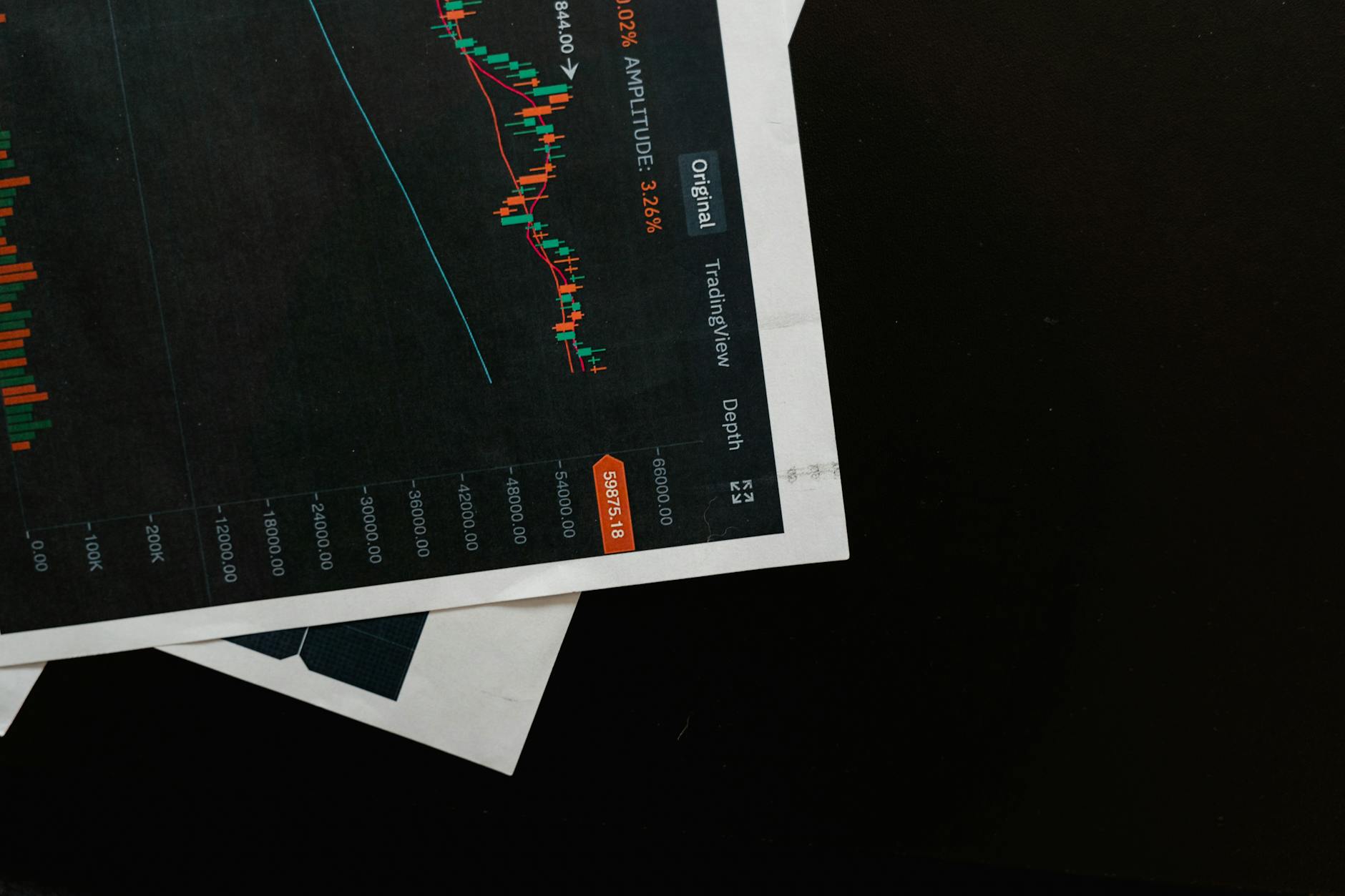
Copasa drops after 2Q26 earnings report and privatization returns to stock market radar
Archive pieces cited in this analysis
Related stories
Market Snapshot at Analysis Time
O mercado acionário brasileiro reage a balanços corporativos em um ambiente onde o dólar comercial opera a R$ 5,1859, acumulando alta de 1,58% em sete dias. O IPCA acumulado em 12 meses situa-se em 4,44%, enquanto a taxa Selic permanece atrelada ao patamar de 14,00% ao ano. A volatilidade nas ações de saneamento reflete o descasamento entre as expectativas de privatização e os resultados operacionais correntes.
Full Analysis
Copasa shares experienced strong selling pressure during Thursday's trading session following the release of a quarterly financial report considered weak by the Brazilian financial market. The sanitation company reported an adjusted net income of R$ 275.5 million for the period between April and June, a level that disappointed analysts and intensified volatility in infrastructure sector stocks on the stock exchange. This pronounced downward movement does not occur in isolation within the recent corporate environment, adding to significant devaluations in sector peers, such as the recent drop of over 8% recorded by Sabesp after delivering its own quarterly financial results. To calibrate the weight of this correction in the capital market, it is essential to observe the prevailing macroeconomic landscape and currency fluctuations impacting the cost of capital for investment-intensive companies. The commercial dollar closed quoted at R$ 5.1859, accumulating a 1.58% rise over the seven-day window, while the twelve-month accumulated IPCA showed a slight variation to 4.44%, remaining within levels closely monitored by the monetary authority. Although the Selic rate remains parked at 14.00% per year, investor focus on sanitation stocks has shifted markedly from macro to microeconomics, concentrating on operational efficiency and the capacity to convert revenues into free cash. Cross-referencing this panorama with the portal's recent editorial archive reveals that the prevailing sentiment in the sanitation and infrastructure sector's earnings has been predominantly negative. This is the second news of a sharp correction in state-owned or mixed-economy sanitation companies in a few days, showing that the market no longer forgives operational margin slips. From the perspective of the tradition of value and margin of safety, the experienced investor must weigh whether the current drop reflects a permanent deterioration of fundamentals or represents only transient short-term noise, remembering that the price paid on the stock exchange determines future return and buying complex assets requires a considerable discount on the estimated intrinsic value. An in-depth analysis of the numbers revealed in the balance sheet shows that pressure on operating costs and compulsory investments necessary for the universalization of services continue to challenge the margins of basic sanitation companies. The repetition of below-expected results in companies with a similar profile signals that balancing the capital structure requires rigorous discipline from public and private managers. While the market awaits definitive developments regarding the progress of the privatization process—a central theme supporting the long-term thesis for the shares—investors face a scenario where the promise of future gains clashes with the harsh reality of current quarterly cash flows and persistent inflationary pressure. Over a 30-day horizon, volatility is expected to continue dictating the pace of business for the company's ordinary shares, with daily fluctuations guided by political speculations surrounding the privatization calendar. For the 90-day horizon, the market tends to reassess price-to-earnings (P/E) multiples in light of the effective evolution of legislative discussions and the company's next operational data. Over a 180-day horizon, the investment thesis will be tested once again.
Where the analysis draws on data
Market evidence
Data at analysis time · 13/08/2026
Reference panel: use Selic, IPCA, USD and category quotes only when relevant to the story — with 7d/30d trend.
Selic meta (% a.a.) · core
14.00
As of 13/08/2026
IPCA acumulado 12 meses (%) · core
4.44
As of 01/07/2026
Dólar comercial (R$/US$) · core
5.1859
As of 13/08/2026
Dólar (USD/BRL) · core
R$ 5,19
Chart basis of the analysis
History that supported the reasoning
Selic meta (% a.a.) — 30 dias (até 13/08/2026)
Source: BCB
Dólar comercial (R$/US$) — 30 dias (até 13/08/2026)
Source: BCB
Dólar (USD/BRL) — 30 dias (até 13/08/2026)
Source: BCB
Dólar (USD/BRL) — 90 dias (até 13/08/2026)
Source: BCB
Urgency
Medium
Audience
Intermediário
Horizon
Longo prazo
Confidence
Alta
Editorial methodology
Investimentos em ações envolvem risco de mercado. Rentabilidade passada não garante resultados futuros.
Snapshot at publication
Dólar (USD/BRL)
R$ 5,19
24h change: n/d
Values collected at 13/08/2026 17:15
Timeline
-
Abril a Junho de 2026
Período base de apuração do balanço do segundo trimestre (2T26) da Copasa.
-
Agosto de 2026
Divulgação dos resultados trimestrais e forte reação negativa do mercado no Ibovespa.
Projected scenarios
Continuidade da volatilidade nos papéis com forte influência de notícias políticas sobre a pauta de privatização.
Reavaliação dos múltiplos fundamentalistas do setor diante de novos dados operacionais e inflacionários.
Definição de rumos mais claros sobre o cronograma de desestatização e ganhos potenciais de eficiência.
Analytical lenses
Frameworks inspired by classic investment schools — original editorial paraphrase, no literal quotes.
Valor e margem de segurança
O investidor disciplinado não deve comprar uma ação apenas porque ela caiu de preço, sendo obrigatório exigir um desconto expressivo sobre o valor intrínseco para compensar as incertezas operacionais e regulatórias do setor.
Risco assimétrico e ciclos de humor
O mercado tende a exagerar no pessimismo após balanços fracos, criando assimetrias onde o preço atual já pode embutir cenários excessivamente pessimistas sobre a privatização.
Guidance by investor profile
Beginner
Mantenha distância de ações do setor de saneamento neste momento de alta volatilidade regulatória e foco em renda fixa.
Intermediate
Evite aumentar posições no setor até que haja clareza operacional e avanços concretos no processo de privatização.
Advanced
Pode monitorar oportunidades pontuais caso o mercado exagere na dose do pessimismo, exigindo ampla margem de segurança.
Comparativo de Estratégias no Setor de Saneamento
| Perfil Conservador | Perfil Moderado | Perfil Arrojado | |
|---|---|---|---|
| Exposição ao Setor | Zero | Baixa | Moderada |
| Foco Principal | Renda Fixa pós-fixada | Dividendos previsíveis | Turnaround e privatização |
Glossary
- Lucro líquido ajustado
- Resultado financeiro da empresa após a dedução de despesas, impostos e custos, excluindo efeitos extraordinários não recorrentes.
- Margem de segurança
- Conceito de investimento que consiste em comprar ativos por um preço significativamente abaixo de seu valor real estimado.
Archive context
927 analyses on Stocks
O histórico em Ações está equilibrado/neutro (376 neutras de 927). Use as matérias relacionadas para ver o que mudou entre as publicações.
Go deeper — related reading
Ruído eleitoral e o preço do risco na bolsa com o imbróglio no TSE
A disputa política e os erros cadastrais envolvendo candidaturas de peso adicionam uma camada considerável de incerteza institucional ao…
CMIN3 cai 3% no 2T26: EBITDA forte esconde risco na bolsa
As ações da CSN Mineração (CMIN3) registraram uma queda de cerca de 3% nesta quarta-feira, refletindo um movimento clássico de cautela…
BYD e BBAS3 aceleram carros elétricos: fôlego novo para a bolsa
A aliança estratégica firmada entre a montadora BYD e o Banco do Brasil (BBAS3) para financiar veículos eletrificados no âmbito do…
Transparência corporativa e o preço do risco na bolsa brasileira
A polêmica em torno de divergências curriculares de figuras públicas evidencia o valor implícito da transparência e da governança…
Archive sentiment
Dominant tone: Neutral
Explore by theme
Related themes
Practical guide
Impact on Your Wallet
What changes in your portfolio and daily life
A volatilidade nas ações de saneamento afeta diretamente os portfólios de investidores expostos à renda variável brasileira. No curto prazo, a queda das cotações reduz o patrimônio de quem já investe no setor, enquanto na poupança e em renda fixa o impacto é indireto, ditado pelo patamar elevado dos juros básicos. No custo de vida familiar, eventuais reajustes tarifários do setor regulado continuam pressionando as despesas essenciais com água e saneamento.
Frequently asked questions
Por que as ações da Copasa despencaram após o balanço?
Porque o lucro líquido ajustado de R$ 275,5 milhões veio abaixo das expectativas dos analistas de mercado, sinalizando pressões operacionais.
A privatização ainda é um bom motivo para investir na empresa?
A privatização é o principal motor da tese de longo prazo, mas o cronograma político é incerto e exige paciência e tolerância a riscos.
O investidor iniciante deve comprar ações da Copasa agora?
Geralmente não. Investidores iniciantes devem priorizar ativos menos voláteis e compreender bem os riscos regulatórios antes de entrar no setor.