The Cost of Public Management in Sports: Efficiency Analysis on TV Brasil
Archive pieces cited in this analysis
Related stories
Market Snapshot at Analysis Time
O cenário macro apresenta o IPCA em 4,44% com tendência de queda, enquanto a Selic permanece estável em 14,00% ao ano. O dólar comercial está cotado a R$ 5,15, registrando queda de 0,22% no acumulado de 30 dias. A pressão fiscal continua sendo o principal driver de risco para o mercado brasileiro.
Full Analysis
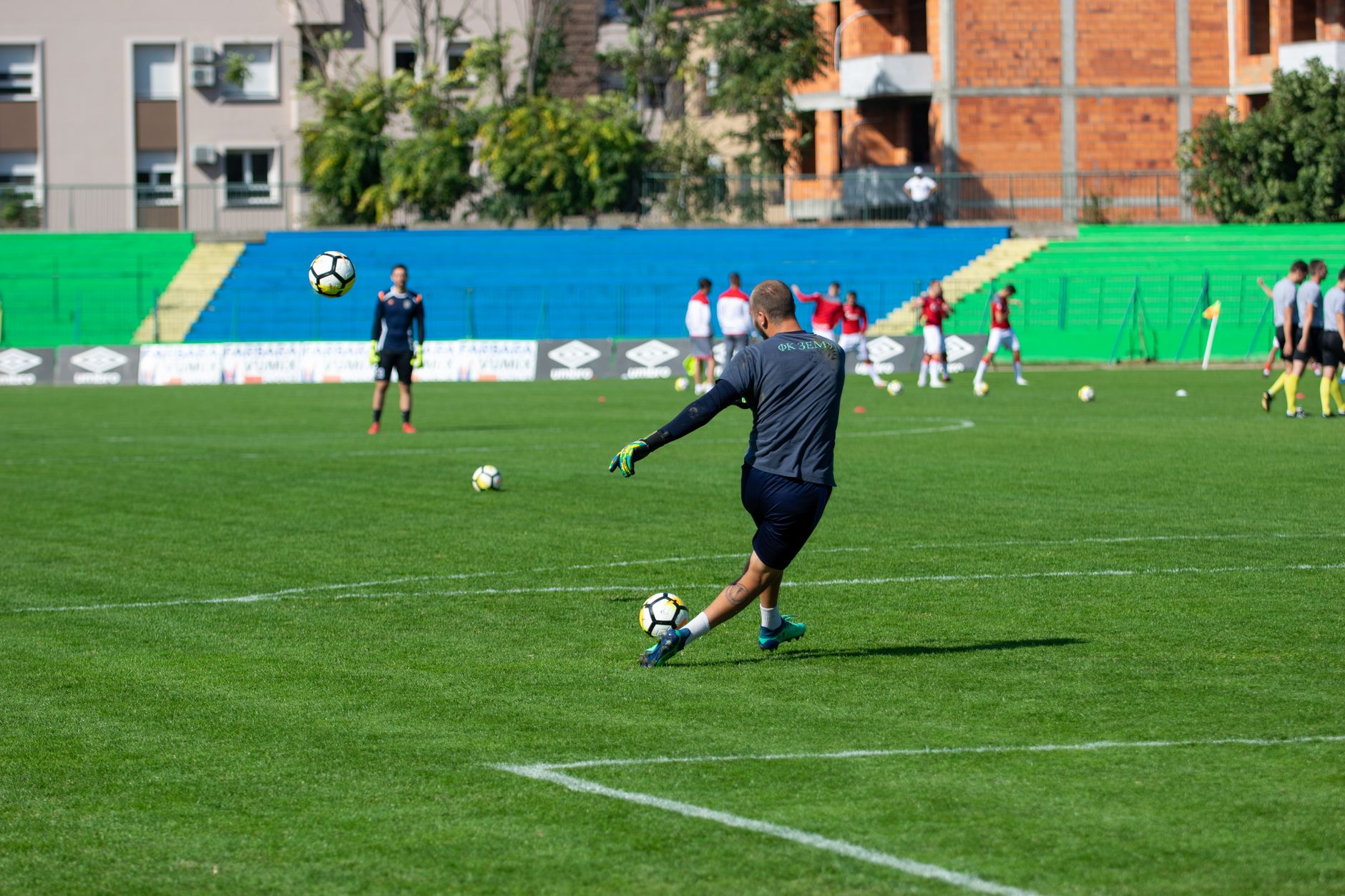
The broadcast of the Brazilian Under-17 Women's Championship final by TV Brasil raises a fundamental discussion about resource allocation in state assets. While the public broadcaster's editorial focus turns to sports visibility, investors and taxpayers must observe the financial sustainability of these operations at a time when public spending control is the central pillar for currency stability. The Brazil Cost, already pressured by a high tax burden, demands that every real invested in public communication present clear metrics of social return or operational efficiency, something often lost in state funding structures.
In the current panorama, Brazilian economic policy faces credibility challenges that directly reflect on exchange rate volatility. The commercial dollar (USD/BRL) shows a variation of -0.22% over the last 30 days, quoted at R$ 5.1512, signaling a slight search for risk assets after periods of stress. Concurrently, the IPCA accumulated over 12 months registers 4.44%, with a downward trend from 4.64% (30 days ago) to the current level. These data indicate that, despite a still latent inflationary scenario, the market monitors the State's capacity to contain discretionary spending in areas that, although culturally relevant, compete for funds in a budget under strict surveillance by the monetary authority.
Crossing this fact with our editorial archive, we observe that this is the seventh consecutive news story on the portal with a critical bias regarding the efficiency and governance of state-linked bodies, ranging from the relaxation of public purchases to the regulatory clash with big techs. Under the lens of the 'margin of safety', investment in niche events without a clear monetization strategy resembles a capital allocation without protection against permanent losses. The absence of a rigorous cost-benefit analysis in these public productions ignores the fact that, in a free market environment, the sustainability of any project depends on the ability to generate real value, rather than just subsidizing supply.
Where the analysis draws on data
Market evidence
Data at analysis time · 24/08/2026
Reference panel: use Selic, IPCA, USD and category quotes only when relevant to the story — with 7d/30d trend.
Selic meta (% a.a.) · core
14.00
As of 24/08/2026
IPCA acumulado 12 meses (%) · core
4.44
As of 01/07/2026
Dólar comercial (R$/US$) · core
5.1512
As of 24/08/2026
Dólar (USD/BRL) · core
R$ 5,15
Chart basis of the analysis
History that supported the reasoning
IPCA 12 meses (%) — 30 dias (até 24/08/2026)
Source: BCB
Selic meta (% a.a.) — 30 dias (até 24/08/2026)
Source: BCB
Dólar comercial (R$/US$) — 30 dias (até 24/08/2026)
Source: BCB
Dólar (USD/BRL) — 30 dias (até 24/08/2026)
Source: BCB
In-depth analysis points to a latent governance risk. The partnership with Petrobras for the 'Para Elas' award exemplifies the use of mixed-economy companies to finance institutional marketing actions. When the State uses resources from a state-owned enterprise—whose focus should be the maximization of shareholder value—to cover visibility costs, the long-term investor must question fiscal discipline. With the Selic rate maintained at 14.00% per year, the opportunity cost of capital is extremely high; allocating funds to events with low direct financial return is, in practice, a form of inefficiency that penalizes the taxpayer and the local capital market.
In 30, 90, and 180-day scenarios, the trend for the state media sector remains tied to fiscal rigor. In 30 days, we expect the focus to remain on results propaganda, ignoring the real cost of production. In 90 days, with pressure for budget cuts, the viability of grassroots sports events without autonomous private sponsorship may be called into question. In 180 days, if the downward trajectory of the IPCA (currently at 4.44%) consolidates, pressure for lower interest rates may free up space, but budget priority will continue to be the center of political dispute, affecting liquidity available for non-essential projects.
For the reader, the practical guidance is
Urgency
Medium
Audience
Intermediário
Horizon
Médio prazo
Confidence
Alta
Editorial methodology
Decisões políticas podem alterar rapidamente o cenário fiscal e regulatório.
Snapshot at publication
Dólar (USD/BRL)
R$ 5,15
24h change: n/d
Values collected at 24/08/2026 21:45
Timeline
-
2026
Ano de intensificação da vigilância sobre gastos de estatais e eficiência da TV Brasil.
Projected scenarios
Manutenção do foco institucional da emissora com custos elevados.
Possível revisão de gastos devido à pressão por metas fiscais.
Redução drástica de eventos esportivos não lucrativos por falta de orçamento.
Analytical lenses
Frameworks inspired by classic investment schools — original editorial paraphrase, no literal quotes.
Valor e margem de segurança
Avalia o investimento em eventos públicos como uma alocação de capital sem proteção. Questiona a falta de retorno financeiro direto e o risco de perda permanente de valor público.
Ciclos de crédito e liquidez
Analisa como a alta taxa Selic torna o custo de capital proibitivo para projetos ineficientes. Destaca a necessidade de priorizar ativos que geram fluxo de caixa real durante o aperto monetário.
Guidance by investor profile
Beginner
Evite exposição a empresas que dependem de contratos públicos ou subsídios para manter margens. Foque em renda fixa atrelada à inflação para proteger o poder de compra.
Intermediate
Diversifique seu portfólio buscando empresas privadas com forte gestão de custos e baixa dependência do orçamento da União.
Advanced
Monitore a governança de estatais. O risco de ingerência política em decisões de marketing pode afetar o valor das ações a longo prazo.
Eficiência de Alocação de Capital
| Ativo Público | Ativo Privado | Renda Fixa | |
|---|---|---|---|
| Risco de Gestão | Alto | Baixo | Nulo |
| Retorno esperado | Social (indireto) | Lucro (direto) | Juros (contratual) |
Glossary
- Custo Brasil
- Conjunto de dificuldades estruturais e burocráticas que encarecem o investimento e a produção no país.
- Margem de Segurança
- Diferença entre o valor intrínseco de um ativo e seu preço de mercado, funcionando como proteção contra erros de análise.
Archive context
1010 analyses on Economic Policy
O tom recente em Política Econômica está mais cauteloso: 817 de 1010 análises com viés negativo. Vale cruzar com as matérias abaixo.
Go deeper — related reading
Impasse no Mercosul trava exportações: o custo da falta de consenso com a UE
A estagnação das negociações entre Mercosul e União Europeia atinge um ponto crítico, onde a falta de um acordo sobre a divisão de cotas…
Geopolítica e Capital: O que a reabertura da Síria sinaliza para o fluxo de investimentos
A decisão do governo Trump em retirar as punições e o status de "terrorista" da Síria marca uma inflexão significativa na geografia do…
Disputa ao Senado no RS: O impacto da incerteza política na confiança dos ativos locais
A recente fotografia da disputa ao Senado no Rio Grande do Sul, onde 37% dos eleitores se declaram indecisos na pesquisa estimulada,…
Governo gaúcho sob pressão: 45% de desaprovação e os riscos para o ambiente de negócios
A recente pesquisa Quaest sobre a gestão de Eduardo Leite no Rio Grande do Sul, com 45% de desaprovação frente a 42% de aprovação, expõe…
Archive sentiment
Dominant tone: Negative
Explore by theme
Related themes
Practical guide
Impact on Your Wallet
What changes in your portfolio and daily life
O gasto ineficiente em órgãos públicos pressiona a carga tributária que incide diretamente sobre o seu consumo. Para o investidor, o foco em ativos estatais subsidiados reduz o potencial de retorno de longo prazo. A estabilidade da moeda, medida pela inflação e câmbio, depende de uma gestão fiscal que evite gastos desnecessários.
Frequently asked questions
Por que a TV Brasil investir em esportes é um problema econômico?
O problema não é o esporte, mas a alocação de recursos públicos. Em um cenário de Juros altos, todo gasto estatal deve ser avaliado pelo seu retorno social ou econômico.
Como a política econômica afeta o esporte feminino?
A sustentabilidade de qualquer modalidade depende de investimento. Se o modelo depende exclusivamente de subsídio estatal e não de mercado, ele é vulnerável a cortes orçamentários.
O que o investidor deve fazer com essa notícia?
Use a notícia para identificar padrões de gestão. Empresas e órgãos que não priorizam a eficiência financeira são sinais de alerta para o investidor.