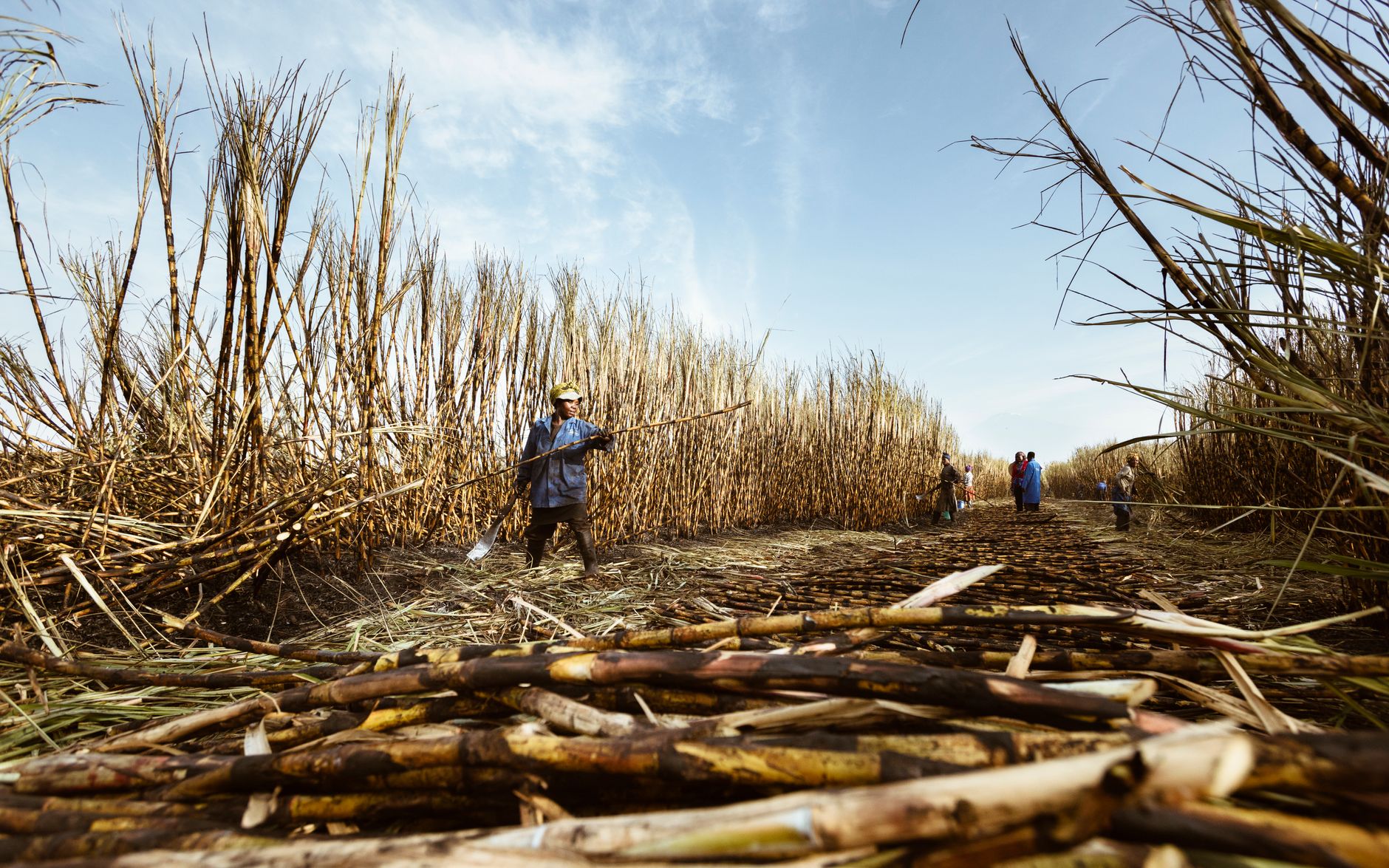
Soybeans Surge 5% in Brazil and Reach Highest Nominal Level Since April 2023
Archive pieces cited in this analysis
Related stories
Market Snapshot at Analysis Time
O mercado físico de soja atingiu o maior nível nominal desde abril de 2023 no Paraná, com alta semanal superior a 5%. Paralelamente, o dólar comercial opera a R$ 5,16 (-0,03% em 7 dias e -0,46% em 30 dias), enquanto o IPCA acumulado em 12 meses situa-se em 4,44%, refletindo uma inflação controlada em meio à pressão pontual de commodities.
Full Analysis
Soybean prices recorded a significant jump of over 5% in the Brazilian market over the past week, reaching their highest nominal level since April 2023 in Paraná state. This movement occurs amid the interharvest period, historically marked by lower grain availability, driven by voracious demand from both the domestic processing sector and export platforms. For the equities and Commodities ecosystem, the supply shock brings profound implications for crushing industry margins and alters the revenue dynamics of rural producers, requiring heightened attention from investors exposed to publicly traded agribusiness.
While the commercial exchange rate trades at R$ 5.16, registering a slight negative variation of -0.03% in the 7-day window and a 0.46% decline over 30 days, inflation measured by the 12-month accumulated IPCA stands at 4.44%, maintaining a deceleration trajectory compared to the 4.64% recorded thirty days prior. This combination of a stable dollar at high levels and controlled inflation creates a peculiar environment for price formation in the physical grain market, where localized product scarcity temporarily outweighs the easing of the economy's general inflation.
This scenario of rising agricultural commodities echoes in trading desks at a time when the portal's editorial archives reflect a prevailing sentiment of caution, as seen in recent analyses on local corporate risks and international tariff negotiations, evidenced by reports on advancing oversight in financial institutions and US-Canada trade discussions. Through the lens of Graham and Buffett's value tradition, moments of strong nominal appreciation demand extreme analytical discipline to separate the seasonal bullish cycle from the actual long-term value generation of the sector's companies, avoiding the illusion that record margins will perpetuate indefinitely without an adequate margin of safety.
Where the analysis draws on data
Market evidence
Data at analysis time · 21/08/2026
Reference panel: use Selic, IPCA, USD and category quotes only when relevant to the story — with 7d/30d trend.
Selic meta (% a.a.) · core
14.00
As of 21/08/2026
IPCA acumulado 12 meses (%) · core
4.44
As of 01/07/2026
Dólar comercial (R$/US$) · core
5.1625
As of 21/08/2026
Dólar (USD/BRL) · core
R$ 5,16
Chart basis of the analysis
History that supported the reasoning
Selic meta (% a.a.) — 30 dias (até 21/08/2026)
Source: BCB
IPCA 12 meses (%) — 30 dias (até 21/08/2026)
Source: BCB
Dólar (USD/BRL) — 30 dias (até 21/08/2026)
Source: BCB
Dólar (USD/BRL) — 90 dias (até 21/08/2026)
Source: BCB
The expressive rise of over 5% in a single week reflects the compression of carryover stocks and fierce competition between export trading companies and local biodiesel and meal industries. Historically, the interharvest period restricts physical supply, but the current nominal level — not seen since April 2023 — surprises operators who projected faster price accommodation with the advance of competing international crops. However, investors must remember that gross revenue gains in the field do not always translate into net margin expansion for listed companies, as input costs correlated to the dollar at R$ 5.16 also exert continuous pressure on the production chain.
For the 30-day horizon, the probability is high that prices will remain firm due to short-term supply rigidity and sustained external demand. In a 90-day horizon, with the approach of the new crop planting and exchange rate volatility, there is a medium probability of technical correction if global inventories revise crop estimates upward. Over the 180-day horizon, the medium-term trend will depend directly on weather behavior in the main producing regions of the South and Midwest, keeping the scenario at a medium probability of fluctuation tied to the biological cycle of agriculture and the accumulated annual inflation of 4.44%.
Facing this high-price scenario, the i
Urgency
Medium
Audience
Intermediário
Horizon
Médio prazo
Confidence
Alta
Editorial methodology
Investimentos em ações envolvem risco de mercado. Rentabilidade passada não garante resultados futuros.
Snapshot at publication
Dólar (USD/BRL)
R$ 5,16
24h change: n/d
Values collected at 21/08/2026 18:15
Timeline
-
Abril de 2023
Último registro de patamar nominal equivalente para os preços da soja no estado do Paraná.
-
Julho de 2026
IPCA acumulado em 12 meses atinge a marca de 4,44%, demonstrando desaceleração inflacionária.
-
Agosto de 2026
Cotação do dólar comercial estabiliza em R$ 5,16 com variações negativas modestas de curto prazo.
Projected scenarios
Manutenção dos preços elevados da soja no mercado interno devido à entressafra e à forte demanda por exportação.
Correção técnica moderada nos preços com o avanço dos preparativos para o plantio e ajuste de estoques globais.
Volatilidade atrelada às condições climáticas para a nova safra e ao comportamento das taxas de câmbio e inflação.
Analytical lenses
Frameworks inspired by classic investment schools — original editorial paraphrase, no literal quotes.
Tradição do Valor
Preços recordes nominais na entressafra não garantem valor sustentável de longo prazo; o investidor focado em valor busca margem de segurança e evita pagar caro por ativos surfando ciclos puramente sazonais.
Ciclos de Humor e Crédito
O mercado tende a extrapolar otimismo quando commodities batem máximas de três anos, criando assimetrias desfavoráveis onde o risco de correção supera o potencial de ganho adicional.
Guidance by investor profile
Beginner
Evite exposição direta a commodities agrícolas em momentos de pico de preço; mantenha o foco em ativos de renda fixa protegidos contra a inflação.
Intermediate
Considere alocações pontuais e diversificadas em empresas do agronegócio apenas se apresentarem baixo endividamento e sólida margem de segurança.
Advanced
Monitore assimetrias de curto prazo no mercado de grãos e derivados, mas opere com stops rígidos para se proteger contra correções repentinas na entressafra.
Estratégias de Alocação em Cenário de Commodities Altas
| Perfil Conservador | Perfil Moderado | Perfil Arrojado | |
|---|---|---|---|
| Risco | Baixo | Médio | Alto |
| Retorno esperado | ~10% a.a. (Renda Fixa) | ~14% a.a. (Multimercados/Agro) | Variável (Trading de Commodities) |
Glossary
- Entressafra
- Período entre o término da comercialização de uma safra agrícola e o início da colheita da safra seguinte, caracterizado por menor oferta física.
- Margem de segurança
- Princípio de investimento que consiste em comprar ativos a um preço significativamente abaixo do seu valor intrínseco para mitigar riscos de perdas.
Archive context
346 analyses on Stocks
O tom recente em Ações está mais cauteloso: 165 de 346 análises com viés negativo. Vale cruzar com as matérias abaixo.
Go deeper — related reading
Ex-executivo do JPMorgan assume conselho e movimenta o mercado de ações
A transição de liderança corporativa para cargos de consultoria estratégica em entidades públicas globais redefine as expectativas de…
Tesouro IPCA+ 2026 venceu: para onde realocar o capital agora?
O vencimento do Tesouro IPCA+ 2026 encerra um ciclo marcante para milhares de investidores brasileiros que confiaram na proteção contra…
Atrito político sobre etanol choca o agro e ameaça ações do setor
O debate acalorado envolvendo o avanço da mistura de etanol na matriz de combustíveis do país recoloca o agronegócio e as empresas…
Fim de restrição a Bolsonaro e o termômetro de risco para ações
A revogação da suspensão temporária que impedia visitas ao ex-presidente Jair Bolsonaro em prisão domiciliar recoloca o tabuleiro…
Archive sentiment
Dominant tone: Negative
Practical guide
Impact on Your Wallet
What changes in your portfolio and daily life
O encarecimento da soja eleva os custos de produção de carnes e óleos comestíveis, gerando pressões inflacionárias pontuais no orçamento familiar. Para os investidores, o momento exige cautela ao negociar ações do agronegócio para evitar compras na alta, enquanto a renda fixa continua oferecendo refúgio seguro.
Frequently asked questions
Por que o preço da soja subiu tanto na entressafra?
A alta decorre da escassez temporária de grãos físicos no mercado interno combinada com uma demanda aquecida para processamento local e exportação.
O aumento da soja afeta o bolso do consumidor comum?
Sim, indiretamente. O grão é base para a ração animal, o que pode encarecer o preço de carnes, ovos e derivados de óleo nos supermercados.
É um bom momento para comprar ações do agronegócio?
Exige cautela. Comprar ativos na máxima de preço histórico pode expor o investidor a correções severas quando a oferta normalizar.