The Economics of Sport: Roster Management and the Financial Weight of the 2027 World Cup
Archive pieces cited in this analysis
Related stories
Market Snapshot at Analysis Time
O cenário macroeconômico atual é balizado pelo IPCA acumulado em 12 meses em 4,44% e pela taxa Selic em 14,00% ao ano, refletindo um ambiente de custo de capital elevado. O dólar comercial encerrou cotado a R$ 5,1714, acumulando alta de 1,47% em 7 dias, enquanto a inflação apresenta leve arrefecimento em relação aos 4,64% observados há trinta dias.
Full Analysis
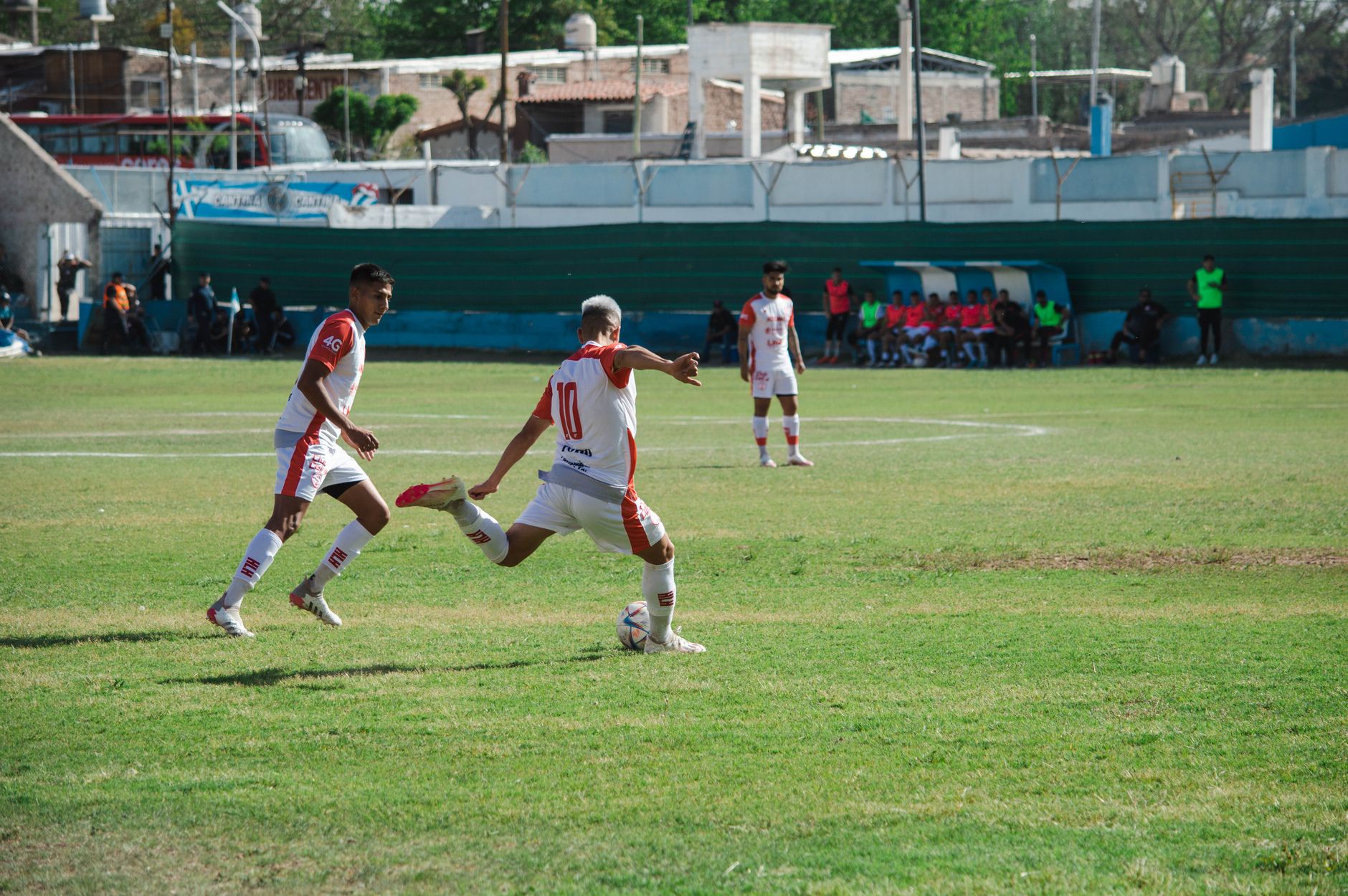
The restructuring of long-term planning for the Brazilian Women's National Football Team, focusing on the 2027 World Cup and the rigorous management of approximately 70% of the already mapped-out roster, highlights the necessary professionalization in the high-performance sports industry. In an economic scenario where global events like the US Open already exceed 100 million dollars in prize money, sports are no longer just a recreational activity but are consolidating into a multi-billion-dollar corporate asset that demands cash predictability and resource efficiency. For investors and managers, the need to optimize the return on capital invested in training structures resembles the allocation of resources in highly competitive markets. As the exchange rate moves with the commercial dollar quoted at R$ 5.1714, registering a positive variation of 1.47% over a 7-day window and a 0.63% contraction over a 30-day horizon, the domestic market deals with inflationary pressures that keep the 12-month accumulated IPCA at 4.44%. This inflation indicator, showing a slight slowdown from the 4.64% level recorded thirty days prior, directly affects the operating costs of federations, clubs, and sponsoring brands that finance the sports ecosystem. Partial monetary stability, complemented by a Selic rate maintained at 14.00% per annum, imposes a severe opportunity cost on capital immobilized in long-term infrastructure projects such as arenas and training centers. This landscape of budgetary rigidity directly dialogues with recent discussions on legal certainty in infrastructure contracts and fiscal debates dominating the Brazilian corporate environment, marked by a prevailing sense of caution in the portal's recent editorials. By conditioning the participation of veteran athletes on strict physical and tactical performance criteria, the technical committee adopts a stance aligned with the tradition of value and margin of safety, seeking to maximize efficiency without taking unnecessary risks of technical obsolescence. The management of high-cost human assets requires risk assessment methodologies similar to those applied in fundamentalist analysis of listed companies, where each unit of capital must prove its value-generation capacity. The risks associated with this strategy lie in the volatility of athletic performance and pressure for immediate results in a restrictive macroeconomic environment, where inflation has compressed operating margins across various sectors, as seen in recent earnings reports from the fuel and infrastructure sectors. The dependence on a small group of established athletes, coupled with uncertainty in securing new sponsorships during periods of fiscal uncertainty, elevates the risk of discontinuity in sports renewal cycles. Should the flow of private investments in sports suffer contractions resulting from the high cost of credit, the financial sustainability of teams could be severely compromised in upcoming competitive cycles. Looking toward the 30-day horizon, expectations are for fine-tuning in sports preparation budgets, focusing on lower-risk corporate partnerships. Within a 90-day period, the market will turn its attention to the signing of new broadcasting and sponsorship contracts, which are expected to reflect currency volatility and exchange rate stabilization around R$ 5.17.
Where the analysis draws on data
Market evidence
Data at analysis time · 20/08/2026
Reference panel: use Selic, IPCA, USD and category quotes only when relevant to the story — with 7d/30d trend.
Selic meta (% a.a.) · core
14.00
As of 20/08/2026
IPCA acumulado 12 meses (%) · core
4.44
As of 01/07/2026
Dólar comercial (R$/US$) · core
5.1862
As of 20/08/2026
Dólar (USD/BRL) · core
R$ 5,17
Chart basis of the analysis
History that supported the reasoning
Selic meta (% a.a.) — 30 dias (até 20/08/2026)
Source: BCB
Dólar comercial (R$/US$) — 30 dias (até 20/08/2026)
Source: BCB
IPCA 12 meses (%) — 30 dias (até 20/08/2026)
Source: BCB
Dólar (USD/BRL) — 30 dias (até 20/08/2026)
Source: BCB
Urgency
Medium
Audience
Intermediário
Horizon
Médio prazo
Confidence
Alta
Editorial methodology
Análises macroeconômicas são interpretações editoriais baseadas em dados públicos disponíveis.
Snapshot at publication
Dólar (USD/BRL)
R$ 5,17
24h change: n/d
Values collected at 20/08/2026 15:45
Timeline
-
Julho de 2026
IPCA atinge 4,44% no acumulado de 12 meses, mostrando leve arrefecimento.
-
Agosto de 2026
Dólar comercial registra R$ 5,1714 com oscilação semanal de 1,47%.
-
Setembro de 2026
Manutenção da taxa Selic em 14,00% a.a. pelo Banco Central.
Projected scenarios
Ajustes orçamentários nas confederações e oscilações moderadas no câmbio em torno de R$ 5,17.
Formalização de novos contratos de patrocínio corporativo atrelados à estabilização da inflação.
Definição de diretrizes financeiras de longo prazo para os ciclos preparatórios rumo a 2027.
Analytical lenses
Frameworks inspired by classic investment schools — original editorial paraphrase, no literal quotes.
Macro estrutural (Ray Dalio)
A análise do ciclo de crédito revela que a alta taxa de juros restringe a liquidez sistêmica, exigindo maior eficiência na alocação de recursos tanto no setor corporativo quanto no esporte de alto rendimento.
Tradição Graham/Buffett
A exigência de critérios rígidos para escalação e investimento de longo prazo reflete a busca por margem de segurança, protegendo o capital contra riscos desnecessários em cenários de alta volatilidade.
Guidance by investor profile
Beginner
Priorize títulos de renda fixa pós-fixados indexados à taxa Selic ou prefixados de alta qualidade para capturar o retorno de 14,00% ao ano com segurança.
Intermediate
Mantenha uma carteira equilibrada com exposição moderada a fundos multimercado e papéis protegidos contra a inflação de 4,44%.
Advanced
Busque oportunidades em ativos internacionais protegidos pela variação do dólar a R$ 5,17 e empresas com forte geração de caixa livre.
Comparativo de Alocação e Retorno no Cenário Atual
| Renda Fixa Pós-Fixada | Títulos IPCA+ | Renda Variável Global | |
|---|---|---|---|
| Risco | Muito Baixo | Baixo/Médio | Alto |
| Retorno esperado | ~14,00% a.a. | IPCA + ~6% a.a. | Variável (>15% a.a.) |
Glossary
- IPCA
- Índice Nacional de Preços ao Consumidor Amplo, considerado a inflação oficial do país calculada pelo IBGE.
- Taxa Selic
- A taxa básica de juros da economia brasileira, definida pelo Banco Central para controlar a inflação.
Archive context
975 analyses on Economy
O tom recente em Economia está mais cauteloso: 578 de 975 análises com viés negativo. Vale cruzar com as matérias abaixo.
Go deeper — related reading
Lucro bilionário e dividendos: o que a expansão de grandes redes ensina
A capacidade de grandes redes globais de saúde visual gerarem um faturamento anual de 4,3 bilhões de libras, acompanhado por um salto…
JBS avança sobre a Pilgrim's Pride e redesenha sua presença nos EUA
A ofensiva estratégica da JBS para consolidar o controle total sobre a Pilgrim's Pride nos Estados Unidos marca um novo capítulo na…
Petrobras fecha Porto do Açu para exportar coque e expandir margens
A formalização da operação regular de exportação de coque de petróleo pela Petrobras no Porto do Açu, localizado em São João da Barra,…
Café com jacaré no Cidade Jardim: o consumo de luxo e o câmbio em SP
A inauguração de uma cafeteria temática associada a uma grife internacional de alto padrão no Shopping Cidade Jardim, em São Paulo,…
Archive sentiment
Dominant tone: Negative
Explore by theme
Related themes
Practical guide
Impact on Your Wallet
What changes in your portfolio and daily life
O encarecimento do custo do dinheiro reduz o poder de compra das famílias e encarece o financiamento de bens de consumo. Investidores devem buscar proteção em ativos atrelados à inflação, enquanto o mercado corporativo ajusta margens frente à volatilidade cambial.
Frequently asked questions
Como a inflação de 4,44% afeta meus investimentos?
A Inflação corrói o poder de compra do dinheiro ao longo do tempo. Investimentos em Renda fixa devem superar esse percentual para garantir ganho real.
Qual a importância da taxa Selic em 14,00% para o investidor iniciante?
Com Juros altos, aplicações de Renda fixa atreladas ao CDI tornam-se extremamente atraentes e seguras para iniciantes acumularem patrimônio.
Como o dólar a R$ 5,17 impacta o orçamento doméstico?
Um Câmbio mais elevado encarece produtos importados, combustíveis e viagens internacionais, pressionando indiretamente os índices de preços.